Top Employee Rewards and Recognition Strategies to Enhance Engagement
Employee motivation isn’t created through annual celebrations or occasional recognition moments. It’s shaped through the everyday employee experience; the ongoing interactions, habits, and brand cues that tell people whether they’re valued, supported, and aligned with something meaningful. With only 31% of employees engaged at work, motivation must become a daily practice, not an HR initiative.
Organizations that succeed here treat motivation as a cultural rhythm, not a campaign. They embed employee motivation strategies into the employee journey so consistently that motivation becomes the natural outcome of how people work, lead, and connect.
Why Motivation Needs a Daily Mindset Shift
Many companies think motivation comes from big moments, like launching a new platform, introducing a perk, or hosting a recognition event. In reality, employee motivation in the workplace is built through micro-moments that reinforce identity and belonging.
Employees interpret culture through how leaders communicate, how peers collaborate, and how consistently values are reinforced. When motivation appears only during performance cycles or high-stakes moments, it feels performative. When it shows up every day, it becomes part of the operating system. That shift is where real employee engagement begins.
The Problem with Perks That Come Too Late
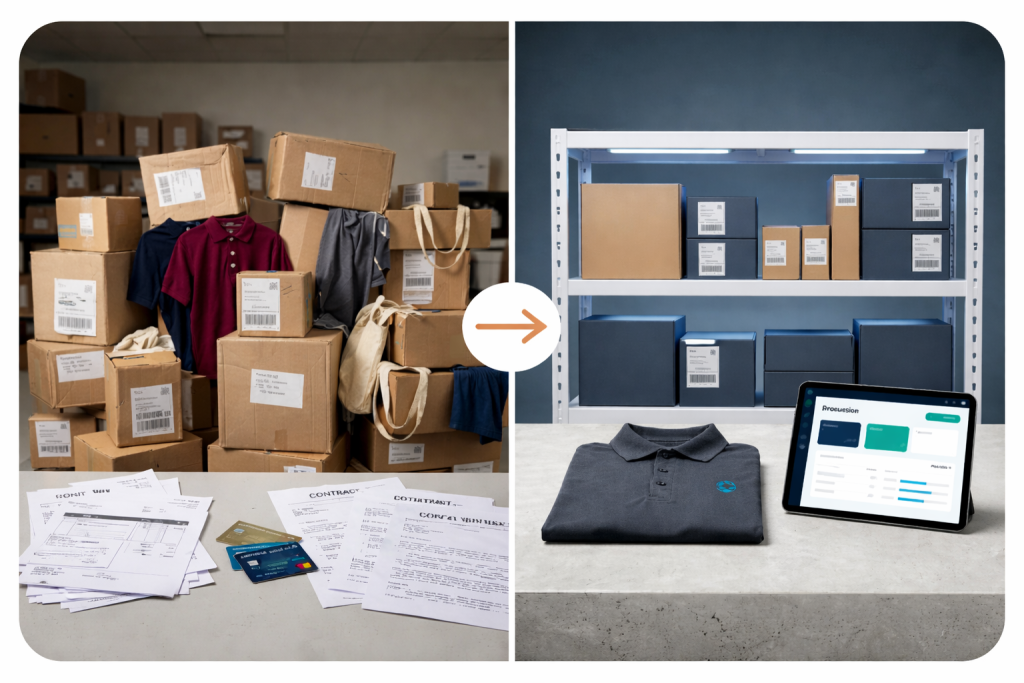
Delayed perks signal a reactive culture. By the time a company introduces a new benefits update or branded drop “to boost morale,” disengagement has often already taken root.
Research shows that engaged employees can increase productivity by 14% and reduce turnover by 21% to 51%. But engagement doesn’t come from sporadic gestures. It comes from consistency. Employees trust cultures that reinforce values daily, not cultures that offer one-time signals of appreciation.
Consistency is the real motivator. It creates psychological safety, belonging, and alignment; conditions that drive sustained performance.
What Micro-Motivation Really Looks Like
Micro-motivation is simple, visible, and frequent. It’s the accumulation of everyday behaviors that remind people their work matters.
A few examples include:
- Quick value-based recognition from peers or managers
- Short check-ins that prioritize clarity, not oversight
- Sharing small wins in team channels or meetings
These moments make everyday employee motivation feel personal and grounded. They reflect a culture where employee empowerment is real and where recognition isn’t reserved for major milestones. When organizations practice micro-motivation, employees connect their daily actions to something larger and more meaningful.
Leadership Habits That Keep Motivation Flowing
Motivational leadership isn’t about inspirational speeches. It’s about creating emotional stability through predictable, supportive habits. Leaders who motivate well do a few things consistently: they communicate with clarity, they acknowledge impact quickly and specifically, and they model the values they expect others to embody.
Employees pay attention to what leaders reinforce. When leaders actively clear barriers, provide thoughtful feedback, and connect work to purpose, motivation becomes a natural response. Leadership and motivation go hand in hand; how leaders show up each day determines the energy level of the entire team.
How to Bake Motivation Into the Employee Journey
Motivation should be intentionally built into every stage of the employee experience strategy, from onboarding to ongoing communication to rituals that reinforce the culture.
Onboarding is one of the strongest opportunities to set a motivational tone. Story-driven intros, personalized welcomes, and early recognition give employees identity cues before they even begin their work. Throughout the employee lifecycle, recurring check-ins, transparent updates, and values-based celebrations maintain that momentum.
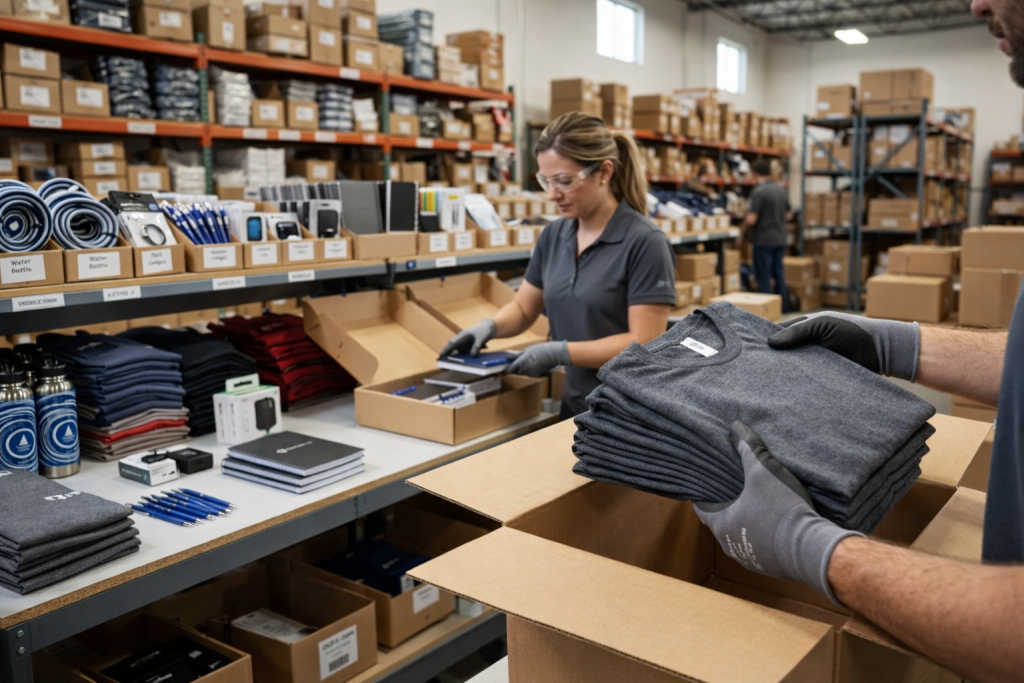
Company swag ideas also play a surprisingly influential role when done well. High-quality branded pieces, whether part of onboarding kits, seasonal drops, or achievement moments, serve as daily reminders of belonging. The best swag ideas for companies are tied to culture and quality; they reflect brand alignment, not promotional clutter. Inch’s employee rewards and recognition program examples show this clearly: curated, brand-aligned merchandise reinforces identity more powerfully than generic perks.
Why Brand Experience Starts Inside the Office
Your employees are your first brand audience. If they don’t believe in your brand experience, they can’t deliver it to customers.
When employees receive recognition, communication, and branded touchpoints that feel intentional and aligned with the mission, they internalize those values and behaviors. That alignment strengthens motivation and directly improves customer experience, because motivated employees communicate better, solve problems faster, and bring more emotional care into their work.
Employee motivation and customer experience are inseparable. A motivated workforce creates more consistent, on-brand interactions; exactly what customers remember most.
Sustaining Employee Motivation Through Purpose-Driven Leadership
From Culture Theory to Everyday Action
Culture becomes actionable when leaders map the employee journey, identify motivational gaps, and design daily touchpoints that reinforce values. Organizations can build momentum by establishing a recognition rhythm, integrating small branded cues into digital and physical spaces, and using employee feedback to refine what’s working.
Motivation sticks when it is visible, repeated, and woven through both human interactions and brand touchpoints. It becomes something employees feel, not something they’re told.
Your Culture Speaks Every Day — What Is It Saying?
Employee motivation is built, or eroded, in the everyday moments employees experience. When people feel seen, supported, and aligned with the mission, motivation becomes a habit. And when that happens, brand experience, customer experience, and employee experience work together instead of competing.
If you want a more motivated workforce, start by strengthening the places where your brand shows up internally. Because motivation isn’t seasonal; it’s cultural.
How Motivated Teams Impact Your Customer Experience (and How to Build One)
Leading With Meaning: How to Create a Team That’s Motivated by More Than Money