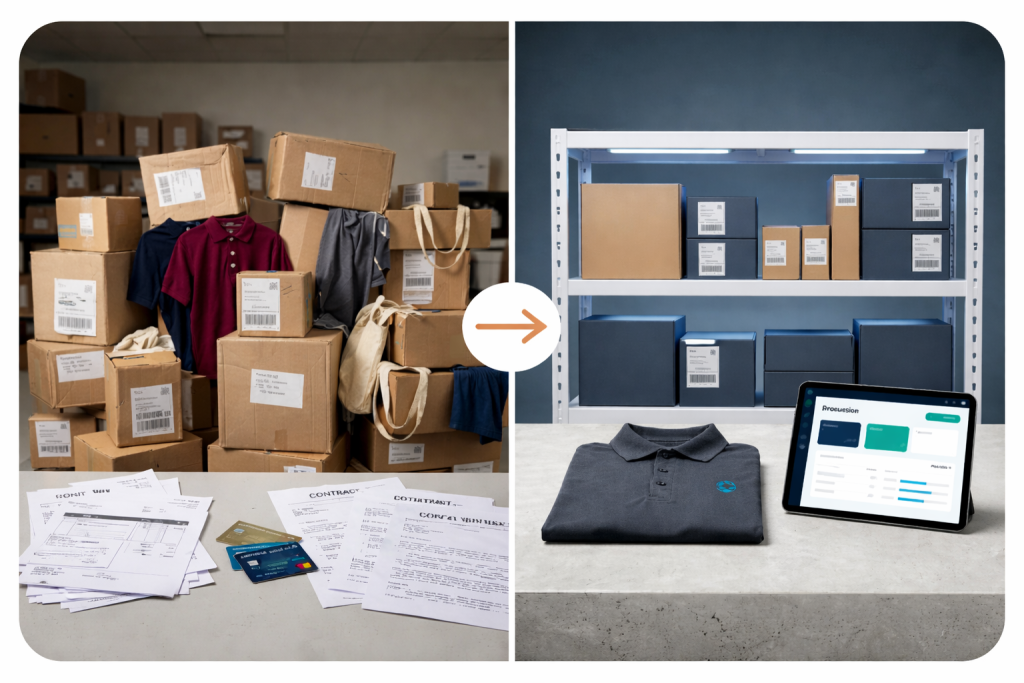
If a customer waits eagerly for a package only to open a crushed box, receive the wrong item, or deal with delayed shipping, trust erodes instantly. Today’s marketplace is flooded with options, and the moment a brand fails to deliver, it loses more than revenue. It loses credibility. Fulfillment quality isn’t a back-end function; it’s a front-line experience that shapes perception, emotion, and loyalty.
Research consistently shows that customer satisfaction is directly tied to how quickly and accurately a product arrives. Customers don’t distinguish between your operations team, your marketing team, or your brand identity. They see one thing: a promise kept or a promise broken.
And that means fulfillment quality is one of the most powerful drivers of brand trust, brand loyalty, and long-term reputation.
The Overlooked Power of Fulfillment in Brand Experience
Most organizations talk about brand experience as if it begins with a campaign and ends at checkout. In reality, the brand experience extends all the way to the moment an item is held in a customer’s hands. What many teams overlook is that shipping and fulfillment create some of the most memorable and emotional impressions across the entire customer journey.
Customers expect more than speed. They expect accuracy, care, and consistency. When a product arrives on time, perfectly packed, and thoughtfully presented, it signals reliability and respect. When it doesn’t, customers start questioning everything, including your brand’s integrity.
There’s a simple psychological truth at play: fulfillment is where promises become tangible. A brand can talk endlessly about quality, values, and care, but if the unboxing moment falls flat, those words lose weight. Conversely, when fulfillment quality is exceptional, it elevates the customer experience and reinforces the brand story you’ve worked hard to build.
This is why shipping performance, packaging execution, and delivery consistency sit at the center of how to build brand trust. Reliability is remembered. Mistakes are magnified. And consistency becomes the quiet engine that strengthens loyalty over time.
How Packaging Builds Trust and Reinforces Brand Identity
Packaging isn’t “just packaging.” It is an expression of your identity and a physical extension of what your brand stands for. Everything from brand packaging design to thoughtful touches inside the box is part of the emotional experience customers attach to you.
Custom packaging, sustainable materials, branded inserts, and personalized moments all deepen trust by communicating intention. Customers feel the difference between a rushed shipment stuffed with filler and a product that arrives with care, clarity, and pride. These details shape brand image and reputation in ways advertising alone never could.
Brands invest heavily in branding packages, branding and logo design packages, and developing a cohesive brand identity package; yet many forget that packaging and branding must work together. Packaging is one of your most visible, repeated brand touchpoints. It tells customers: “This is who we are. This is how we treat you.”
And in an era when branded merchandise fulfillment is tied closely to gifting, employee engagement, and client experience, packaging becomes even more important. Whether someone is unboxing a recognition award, a welcome kit, or a customer appreciation gift, the quality of that experience impacts how they perceive your brand’s values.
From Consistency to Confidence: The Role of Brand Cohesion
Trust isn’t built in one great moment. It’s built in hundreds of consistent ones. Every correct order, every thoughtfully packed item, every on-time delivery adds up to a relationship customers come to rely on. In contrast, inconsistent fulfillment, like the wrong sizes, damaged goods, or unclear labeling, undermines that relationship instantly. Customers may forgive a one-off issue, but recurring fulfillment problems communicate instability. And instability is the enemy of trust.
This is where brand cohesion becomes critical. Consistency across packaging and branding, communication, and fulfillment builds confidence. It eliminates the cognitive dissonance customers feel when a sloppy unboxing experience follows a polished marketing campaign.
Cohesive branding isn’t about aesthetics alone; it’s about alignment. When your digital promise matches your physical delivery, you reinforce the credibility of your message. When the experience feels fragmented, customers question your operational maturity and, inevitably, your reliability.
Fulfillment quality is the bridge between vision and reality. And when brands get that bridge right, customers feel the difference.
Trust Leads to Loyalty: Fulfillment’s Role in Retention
Customer loyalty rarely hinges on a single purchase. Instead, it grows through repeated moments of reinforcement, many of which happen after the sale.
Reliable fulfillment is a massive contributor to customer satisfaction because it makes doing business with your brand feel effortless. People return to brands they trust, and they recommend brands that consistently deliver well. In fact, loyalty research continues to show that seamless fulfillment experiences increase repeat purchasing and customer lifetime value.
But loyalty is more than transactional behavior. It’s emotional. When customers receive a beautifully executed package, when items arrive exactly as expected, and when issues are resolved swiftly, they gain confidence, and confidence becomes advocacy.
That’s why organizations that invest in fulfillment quality often see measurable lifts in customer loyalty, retention, and positive reviews. Exceptional fulfillment doesn’t just keep customers happy in the moment; it builds a foundation for long-term brand devotion.
Fulfillment & Reputation: What Customers Say When You’re Not in the Room
Today, your customers are your brand voice. Their reviews, social posts, and unboxing videos shape your brand reputation more publicly and permanently than any marketing message. And what do customers talk about most? Things like speed, accuracy, packaging, condition, and ease. In other words: Fulfillment.
A single poor delivery can ignite negative sentiment across platforms, while consistent excellence builds a protective reputation halo. This is where brand reputation monitoring becomes essential. You can analyze themes, friction points, and recurring issues that influence brand perception and use that to improve your operations accordingly. It also reveals how tightly fulfillment quality is tied to brand and reputation. When fulfillment meets expectations, your reputation grows steadily. When it fails, it declines quickly.
The good news? Brands that prioritize fulfillment quality often see disproportionate improvements in how to build brand reputation. Customers interpret operational excellence as a reflection of overall competence, safety, and credibility. Reputation isn’t built through messaging. It’s built through experiences, and fulfillment is one of the most visible ones your brand delivers.
Strengthening Trust from the Inside: Employee Engagement Matters
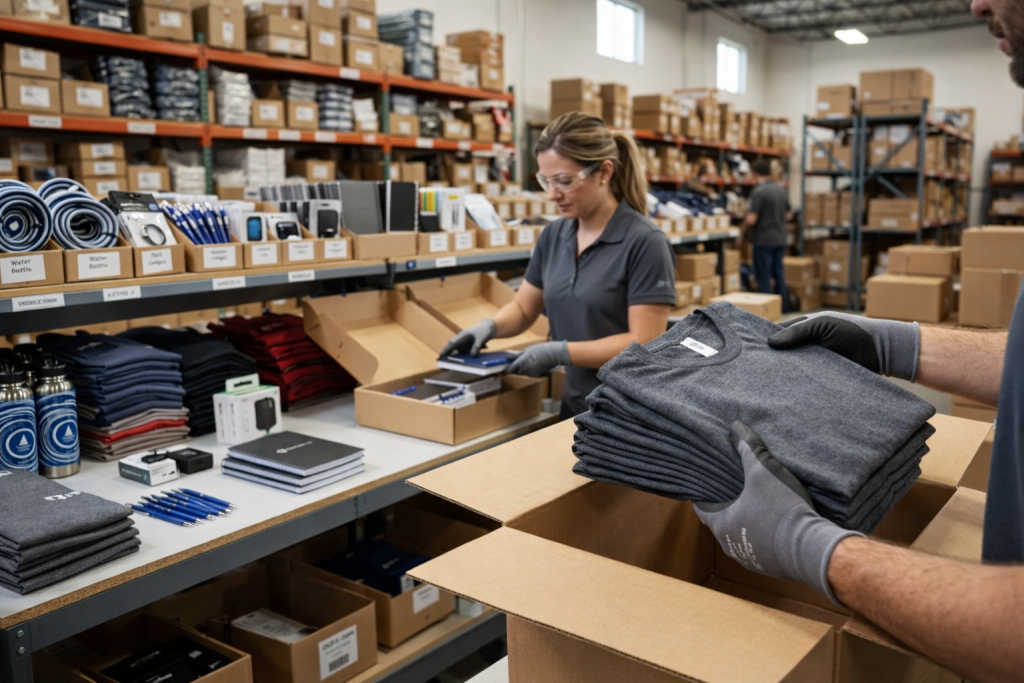
A truth many companies overlook is that fulfillment quality depends on people. And people deliver better when they feel valued, aligned, and connected to a brand’s purpose. This is where employee experience directly affects customer experience. A motivated, well-equipped fulfillment team becomes a brand asset. A disengaged one becomes a liability.
Your frontline teams, like warehouse staff, pickers, packers, customer support, and logistics coordinators, shape the consistency your customers depend on. Their ability to perform with care comes from the culture you create.
Recognition programs, branded touchpoints, growth opportunities, and clear communication all build the sense of ownership required to deliver at high standards. When employees feel connected to the brand’s promise, they protect it. They catch errors before customers ever see them. They reinforce internal quality standards because they understand the external impact.
This alignment is also central to Inch Creative’s core belief that brand experience, employee experience, and customer experience form a shared ecosystem. Fulfillment quality sits at the heart of that ecosystem. When internal culture is strong, external trust becomes much easier to earn and even easier to keep.
Conclusion
Fulfillment isn’t a logistics function; it’s a brand promise that becomes real in the hands of your customers. Every touchpoint, from packaging design to delivery accuracy, reinforces (or erodes) the credibility you work so hard to build. When your fulfillment quality is strong, brand trust grows. And when trust grows, loyalty becomes the natural outcome.
In a world where competitors can match your product, your price, or even your messaging, fulfillment quality becomes a differentiator that they cannot easily replicate. It reflects operational maturity, brand alignment, and genuine respect for the customer experience. It’s also one of the most visible indicators of how seriously you take your reputation and how much care you put into every branded interaction.
And because fulfillment is ultimately delivered by people, the internal experience matters just as much as the external one. Engaged employees, strong culture, and clear brand values drive the consistency customers depend on. When people inside your organization feel connected to the brand’s purpose, they deliver on that purpose from warehouse to doorstep.
The takeaway is simple: If you want to build lasting trust, improve customer satisfaction, and strengthen your brand’s reputation in the market, start with fulfillment. Make it reliable, intentional, and an extension of your identity, not just an operational afterthought.
Fulfillment quality is brand quality. Trust follows the brands that get it right.