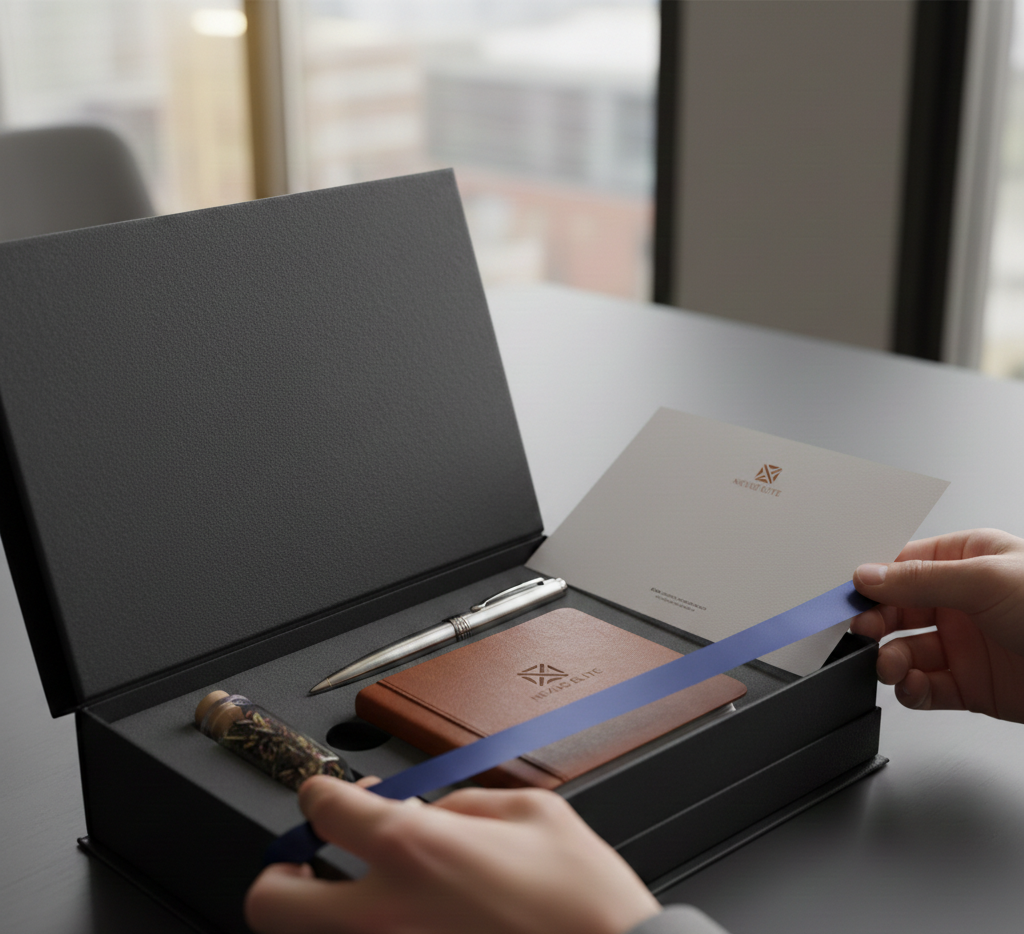
How to Maintain Brand Consistency Across Teams, Locations, and Partners

Most organizations believe that brand consistency is a creative challenge. They assume that if they produce enough rigorous brand guidelines, distribute enough PDF rulebooks, and host enough town halls about “voice and tone,” the brand will remain intact.

But when you look at where consistency actually breaks down, especially in mid-market and enterprise organizations, it rarely happens because a designer didn’t know which hex code to use. It happens because a field sales rep in Chicago needed 500 brochures for an event tomorrow and used a local printer that didn’t have the latest files, or because a newly acquired franchise in Texas ordered staff uniforms from a vendor that hadn’t been vetted for quality.

In reality, maintaining brand consistency at scale isn’t a design question. It is an infrastructure question.

At scale, brand guidelines are necessary, but on their own, they are insufficient. A PDF cannot stop a rogue vendor. A style guide cannot manage inventory levels across twenty satellite offices. To ensure your brand shows up the same way in a boardroom presentation as it does on a trade show floor or in a new employee’s welcome kit, you need operational controls, not just creative standards.

We have found that the larger the organization, the harder it is to maintain brand consistency across teams, locations, and partners without a centralized system of record. When you treat consistency as a logistics and distribution problem, the solution shifts from “more education” to “better infrastructure.”

Below, we break down why consistency fails at the operational level and the frameworks required to fix it.

Why Maintaining Brand Consistency Breaks at Scale

According to recent data from Gartner, 84% of companies describe themselves as stuck in a “brand doom loop,” a cycle where strategy is disconnected from execution, leading to diminished C-suite influence and inconsistent market presence. This loop doesn’t exist because the strategy is bad; it exists because the execution is decentralized and unmonitored.

When we analyze maintaining brand consistency in complex organizations, we see specific operational fracture points. These are not moments of creative failure, but moments of process failure.

Decentralized Ordering

In many organizations, “democratized” purchasing is viewed as a way to move fast. Marketing teams allow regional offices or department heads to use corporate credit cards for “small” purchases. While this solves an immediate speed problem, it creates a massive consistency gap.

When ten different department heads are empowered to source their own materials, you effectively have ten different versions of your brand entering the market. One team prioritizes speed, another prioritizes cost, and another prioritizes quality. The result is a fragmented brand experience where the “premium” brand promise is undercut by “budget” execution in the field.

Rogue Vendors

The “swag guy” down the street is one of the biggest threats to brand integrity. Local teams often default to vendors they know personally or who are geographically convenient. These vendors rarely have access to the latest assets, color standards, or quality requirements that a centralized procurement team would enforce.

We see this frequently with apparel. A corporate team selects a high-quality Nike polo to represent the brand’s premium positioning. Meanwhile, a regional distribution center orders a generic, scratchy alternative because “it looked close enough” and was available locally. To the customer or employee receiving that item, the brand now feels cheap, regardless of what the guidelines say.

Version Control Chaos

Digital asset management (DAM) systems are great, but they rely on user compliance. In fast-moving distributed teams, users often save files to their desktops. Over time, these files become artifacts. We audit organizations where satellite offices are still using logos retired three years ago simply because that is the file the office manager has saved in their “Print” folder. Without a system that forces the use of live, approved assets at the point of ordering, version control is purely theoretical.

Lack of Procurement Alignment

There is often a “great wall” between Marketing and Procurement. Marketing defines the quality standard; Procurement defines the cost standard. If these two functions are not aligned on brand consistency across teams, Procurement may systematically dismantle brand equity by switching to lower-cost supplies or vendors that cannot meet Marketing’s specifications. True consistency requires a shared scorecard where brand standards are weighted as heavily as cost savings.

Uncontrolled Event and Field Sourcing

Events are high-pressure environments where “getting it done” often supersedes “getting it right.” Field marketing teams, faced with shipping delays or last-minute opportunities, often resort to improvising materials. This panic buying leads to off-brand signage, hasty localized flyers, and mismatched booth setups. When brand consistency across locations relies on the resourcefulness of panicked field teams, the brand will always suffer.

What Brand Consistency Actually Means (Beyond Logos)

To solve the problem, we must expand the definition. Most leaders think of how to maintain brand consistency in purely visual terms, but customers experience brands dimensionally. A consistent logo on a package that arrives late and damaged does not register as a “consistent brand experience,” it registers as a failure.

Visual Consistency

This is the baseline: logos, color palettes, typography, and imagery. This is the domain of the brand guideline. However, at scale, visual consistency involves substrate management. Your color looks different on a matte paper flyer than it does on a polyester tablecloth or a stainless steel tumbler. Consistency here means managing the execution of the visual identity across thousands of different physical materials.

Brand Voice Consistency

How to maintain consistent brand voice is often harder than visual control because it requires governing language. Whether it’s a recruitment brochure, a customer service script, or the “About Us” section on a partner’s site, the tone must remain distinct. Brand voice consistency across content fails when partners or local teams rewrite messaging to “fit their market” without understanding the nuances of the brand’s personality.

Product and Merchandise Consistency

If you position yourself as a luxury technology provider, but your sales team hands out lightweight, plastic pens that break instantly, you have a consistency gap. The physical quality of the materials associated with your brand transfers attributes to the brand itself. Merchandise is not just a “giveaway”; it is a tangible proof point of your company’s values. If the item is disposable, the customer subconsciously views the relationship as disposable.

Packaging & Experience Consistency

The “unboxing” moment, whether it’s a new hire receiving their laptop or a client receiving a welcome gift, is a critical brand touchpoint. Consistency here means that the experience is replicated perfectly, whether the recipient is in New York, London, or a remote home office. If one employee gets a premium box with a handwritten note and another gets a brown cardboard shipper with a packing slip, you have failed to maintain the brand standard.

Delivery Timing & Availability Consistency

This is rarely discussed in branding circles, but it is vital. Reliability is a brand attribute. If a partner orders materials for a launch and they arrive three days late, the brand has failed them. Operational reliability, the ability to get the right materials to the right place on time, is the backbone of trust. You cannot claim to be a “reliable partner” in your marketing copy if your internal distribution system is chaotic.

What Is Brand Governance? (And Why It Matters at Scale)

If guidelines are the laws, governance is the police force. Brand governance is the operational framework that ensures the guidelines are actually followed.

According to Deloitte, effective governance requires an integration of people, processes, and technology. It is not enough to ask people to comply; you must build systems where compliance is the path of least resistance.

Defining the Framework

A brand governance framework differs from brand guidelines in that it dictates authority.

  • Guidelines say: “Use this logo.”
  • Governance says: “You cannot finalize this order until the system verifies you are using the correct logo.”

For enterprise brand governance, this distinction is critical. Guidelines are passive, while governance is an active force. In a multi-location environment, you cannot rely on passive compliance. You need a brand governance process that is baked into the procurement and distribution workflow.

Why Governance Matters in Multi-Location Brand Management

In a franchise or dealer model, local partners feel a sense of ownership. They want to customize materials. Without strong governance, this leads to “Frankenstein branding,” where the corporate identity is chopped up and reassembled with local clip art and unauthorized slogans. Governance protects the brand from well-intentioned dilution. It ensures that while local partners can access the materials they need, they cannot alter the core DNA of the brand.

The Hidden Cost of Brand Inconsistency

Inconsistency is expensive. Research from Marq consistently shows that maintaining brand consistency can increase revenue by 10% to more than 20%. Conversely, the lack of consistency acts as a silent tax on the organization.

Increased Vendor Spend

When twenty different locations order print materials from twenty different local vendors, you lose all economies of scale. You are paying spot-market pricing for every transaction. By failing to consolidate this volume, organizations overspend on print and merchandise simply due to fragmentation.

Brand Dilution

Brand equity is built on repetition and recognition. McKinsey research highlights that consistency is one of the “Three Cs” of customer satisfaction. When a customer encounters a high-end experience in one location and a sloppy experience in another, their trust in the brand erodes. It takes months to build brand equity and only moments of inconsistency to dilute it.

Customer Confusion

How to ensure brand consistency across locations is directly tied to customer clarity. If a customer sees a “Satisfaction Guarantee” promoted in one region but sees no mention of it in another, or worse, sees contradictory policies, they become confused. Confusion leads to hesitation, and hesitation kills conversion.

Rework & Waste

We frequently see warehouses full of printed materials that are obsolete before they are ever used. Without centralized inventory control, teams over-order, hoard materials, or order items with errors that must be reprinted. This physical waste is a direct result of operational inconsistency.

Lost Internal Trust

According to Gartner, CMOs who cannot prove the value of their strategy lose influence with the C-suite. When the CEO walks into a branch office and sees outdated signage or cheap merchandise, they don’t blame the branch manager; they blame Marketing. Inconsistency signals a lack of control, which undermines the marketing department’s authority to ask for future budget or strategic buy-in.

How Controlled Distribution Systems Protect Brand Consistency

The only way to effectively answer how to ensure brand consistency across locations is to control the distribution. You must move from a “pull” model (where teams grab whatever they want from wherever they want) to a “platform” model (where teams access a curated ecosystem).

Centralized Sourcing

This is the foundation. Instead of allowing open-market sourcing, the organization establishes a single system of record for all brand materials. This doesn’t mean you can’t have multiple vendors; it means all vendors must flow through one management layer. This ensures that every item produced, whether a brochure, a uniform, or a client gift, meets the pre-established quality and color standards.

Approved Vendor Networks

To stop rogue spending, you must provide a better alternative. By curating a network of approved vendors who are contractually obligated to adhere to your brand standards, you remove the risk. These vendors have your assets on file, understand your shipping requirements, and have agreed to your pricing structures.

Company Stores

For multi-location brand management, a company store (or brand portal) is the most effective governance tool. It functions as a private e-commerce site where employees, partners, and franchisees can order what they need. Crucially, the portal restricts choice. A user can only order pre-approved items. They can only customize fields that you have allowed them to customize. The system acts as the brand police, ensuring that no one can order a purple shirt if your brand colors are blue and orange.

Inventory Control

Consistency requires availability. If a branch office needs new hire kits and the central warehouse is out of stock, they will go rogue and buy something locally. Maintaining brand consistency across teams and partners requires a “just-in-time” understanding of inventory levels to ensure that compliant materials are always available when needed.

Brand Governance Workflows

Modern distribution systems include approval logic. If a local dealer wants to order a custom banner, the system can route that request to the Brand Director for approval before it goes to production. This “human-in-the-loop” workflow ensures that exceptions are managed and that high-stakes materials get a second set of eyes.

How Enterprise Brands Maintain Brand Control at Scale

Enterprise organizations face a unique challenge: volume. Managing consistency for ten locations is hard; managing it for two thousand is a different discipline entirely.

Governance Frameworks

Successful enterprises adopt formal governance frameworks. This typically involves a Brand Governance Council, a cross-functional team including Marketing, Legal, HR, and Operations, that meets quarterly to review compliance, update standards, and resolve conflicts. This elevates maintaining brand consistency at scale from a marketing task to a business objective.

Procurement Integration

Marketing cannot fight Procurement. They must integrate. Best-in-class organizations create a shared objective: “Cost-Effective Consistency.” By consolidating volume through a single operational partner (like Inch Creative), Marketing gets the quality control they need, and Procurement gets the vendor consolidation and volume pricing they demand.

Technology + Fulfillment Alignment

Your brand portal must talk to your fulfillment center. When an order is placed, the data should flow seamlessly to the warehouse for pick-and-pack. This integration reduces human error (shipping the wrong item) and ensures speed. How to ensure brand consistency across locations depends heavily on this tech stack; if the systems are disconnected, the experience will be disjointed.

Approval Workflows

In an enterprise, you cannot bottleneck every decision through the CMO. You need tiered approval workflows.

  • Tier 1 (Pre-approved): Business cards, standard brochures. (No approval needed).
  • Tier 2 (Customized): Co-branded event flyers. (Regional Manager approval).
  • Tier 3 (High Value): Executive gifting, large-scale signage. (HQ Brand Team approval).

This logic balances control with speed, ensuring that the brand is protected without bringing operations to a halt.

A Practical Framework for Maintaining Brand Consistency

If you are currently facing the “doom loop” of inconsistency, here is a practical path to maintaining brand consistency at scale.

Step 1: Audit

You cannot fix what you cannot see. If you’re asking how to maintain brand consistency, conduct a physical audit of your materials across three distinct locations. Look at what is actually being used in the field. Compare the field reality to your headquarters’ perception. Identify the “rogue” items and trace them back to their source.

Step 2: Consolidate

Identify the number of vendors currently producing your brand materials. In some instances, up to 80% of spend can be “maverick,” or outside of a company’s approved vendor network. Aggressively reduce this list. Move volume to partners who can demonstrate both production quality and digital integration capabilities.

Step 3: Centralize

Implement a single point of entry for ordering. Whether you call it a Company Store, a Brand Portal, or a Marketing Resource Center, there should be one URL where employees go to get branded materials. If it’s not in the portal, it doesn’t exist.

Step 4: Automate

Remove manual file transfers. Upload approved assets into your portal’s dynamic templates. allow users to customize specific text fields (name, address, date) but lock the layout, logo placement, and fonts. This automates brand voice consistency and visual integrity.

Step 5: Monitor

Governance is not a one-time project. Establish quarterly reviews of your portal’s usage data. Who is ordering? Who isn’t ordering (a sign they are buying rogue)? Use this data to refine your inventory and enforce compliance.

Conclusion

We often hear leaders ask how to maintain brand consistency as if it were a mystery of culture or communication. It isn’t.

Brand consistency is maintained through infrastructure. It is the result of building a reliable supply chain, implementing rigorous digital controls, and aligning procurement with brand strategy. It requires moving away from the idea that a brand is a PDF and embracing the reality that a brand is a physical operation.

When you control the sourcing, the production, and the distribution, you control the brand. Without that distribution control, your guidelines are just suggestions.

Evaluate Your Brand Distribution System 

Is your brand inconsistent because your guidelines are unclear, or because your infrastructure is broken? It’s time to see where brand inconsistency is entering your supply chain. Let’s evaluate your system today.


Creative Alternatives to Traditional Loyalty Programs That Actually Work

Points-only loyalty programs tend to follow the same arc: a strong launch, an early uptake, then a slow plateau. Customers join, redeem once, and eventually treat it like background noise. Meanwhile, you’re left carrying points liability, chasing breakage assumptions, and wondering why “more points” isn’t changing behavior.

This article breaks down practical alternatives to loyalty points that drive real retention: paid and subscription models, experience-based access, referral and ambassador engines, gifting layers that deepen emotional connection, and service-led loyalty that improves the customer experience. The goal isn’t novelty. It’s a better value exchange that customers actually feel and come back for.

Why “Points” Plateau (and When to Go Alternative)

Points work best when customers can easily understand the path from action to reward. Over time, that clarity gets muddy. Earning feels slow, redemption feels complicated, and customers stop paying attention unless you constantly “boost” the system with promotions.

The plateau usually shows up in three places:

First, behavior change stalls. Points often reward what customers already do (buy again) rather than encouraging new, higher-value behaviors (subscribe, refer, engage with content, try a new category, upgrade service).

Second, customer experience suffers. If your program requires a login, dashboard, code, redemption step, and minimum threshold, the friction becomes the program, and customers don’t feel appreciated. Instead, they feel managed.

Third, finance gets messy. Many loyalty programs create a liability (deferred revenue) that sits on the balance sheet until rewards are delivered or expire, forcing companies to estimate breakage and adjust over time. That’s real operational overhead, especially when the program isn’t moving retention. PwC’s revenue guidance on breakage and unexercised rights shows how complex this can become in practice. 

So, when do you go alternative? When points are no longer producing an emotional connection, when customers aren’t redeeming (or only redeeming during promos), and when your best customers would gladly pay for better access, better service, or a better experience.

Proven Alternatives to Traditional Loyalty Programs

Paid & Subscription Loyalty Programs

If points are “earn later,” paid loyalty is “value now.” That’s why paid loyalty programs and subscription loyalty programs can outperform points for high-frequency customers: they create an immediate reason to come back.

The math has to be simple. Customers should be able to look at your offer and think: “If I buy from you twice a month, this is a no-brainer.” A classic example is a free shipping membership, where the benefit is obvious, frequent, and frictionless.

Two key things to watch out for here:

  • Churn risk: If your benefits aren’t used in the first 30 days, you’ll see early cancellations. Your onboarding has to drive adoption immediately (welcome flow, reminders, first-use prompts).
  • Margin discipline: Don’t stack benefits until the program becomes a profit leak. Start with one key benefit, then add layers as you learn what members actually value.

The best subscription models don’t feel like a paywall. They feel like a relief: fewer fees, faster service, better access, and less hassle.

Experiential Rewards & Access

Not every loyalty “reward” should be a thing. Sometimes the win is access, like priority, education, community, or moments that make customers feel like insiders. That’s where experiential rewards change the game.

There’s research behind it: studies have found experiential (vs. material) rewards can drive stronger engagement and downstream behaviors, like spending and word of mouth.

This is also where your brand can show up clearly through brand experience examples that customers actually remember:

  • Early access to limited drops or custom runs
  • Member-only workshops, tastings, demos, or office hours
  • Exclusive content that helps customers get more value from what they bought
  • Surprise-and-delight moments tied to milestones (first purchase anniversary, category “graduation,” VIP status)

The overlooked lever here is the unboxing experience. If your packaging, insert, and message feel intentional, the product becomes a moment—not just an order. Done well, unboxing is loyalty without a portal.

Referral & Brand Ambassador Programs

Referrals are still one of the cleanest retention loops available because they’re powered by trust. However, most brands treat referral as a widget instead of a system.

Start with a clear referral program strategy: who you want referring, who you want referred, and what action counts as success (first purchase, subscription start, contract signature, etc.). Then, design the incentive so it reinforces loyalty instead of chasing discounts.

For scale, many brands pair referrals with an ambassador program. The difference is consistency: ambassadors aren’t casual referrers; they’re repeat advocates who produce content, drive community, and extend your reach over time. If you’re building a brand ambassador program, your real “reward” might be access, more than money.

There’s also evidence that rewarded referral programs can create customers more likely to continue participating in the referral system than those acquired via advertising, which means the loop can compound.

Gifting & Branded Member Experience Layers

Points are abstract, but gifting is tangible. When it’s done with intention, it turns loyalty into a relationship.

This is where you build a better member experience: not by adding a dozen perks, but by designing moments that make people feel seen. If you want to improve member experience, focus on triggers that matter, like a high-value first purchase, renewal, referral milestone, win your customer achieved using your product, or a service recovery moment that you can turn into trust.

The mechanics don’t have to be complicated. What matters is the story: a short note that references the customer’s context, packaging that feels “on brand,” and a gift that matches what your brand stands for.

This is also where B2B brands have an advantage. In B2B, loyalty often lives inside relationships and renewal cycles. A thoughtful, moment-based gifting layer can reinforce partnership in a way points never will.

Service-Led Loyalty (Support, Upgrades, Warranty)

Some brands don’t need “rewards.” They need less friction. Service-led loyalty works when your product is complex, high-consideration, or support-heavy. Think concierge setup, priority support, warranty extensions, service credits, faster replacements, or dedicated consult time. These benefits are hard to replicate, and they create stickiness because customers don’t want to lose the service level they’ve gotten used to.

If points are a dopamine hit, service-led loyalty is trust that keeps customers through price changes, competitors, and market noise.

Data-Driven Design (Make It Work Long-Term)

Great loyalty is both creative and controlled. The long-term winners treat loyalty as a behavior system that’s tested, measured, and refined.

Start with triggers and segmentation. Identify the moments where loyalty is most fragile (second purchase, post-trial, pre-renewal, after a service issue). Then build offers and experiences that match the customer’s context. A power user doesn’t need “more perks.” They need status, access, and recognition. A new customer needs clarity and a fast win.

Set up preference centers so customers can tell you what they value (access, education, product drops, community, service upgrades). This helps you personalize without being creepy, and it keeps your loyalty system aligned with consent and expectations.

Finally, define loyalty program KPIs before you launch anything. If you don’t know what “good” looks like, you’ll end up optimizing the wrong metric (like signups) instead of retention behavior.

Measurement & Loyalty Program ROI

If you can’t prove value, loyalty becomes an opinion. Measurement should be simple, consistent, and tied to the outcomes that matter.

Your core scorecard should include repeat purchase rate (or renewal rate), AOV, referral rate, and NPS/CSAT. Then track adoption of the alternative you’ve implemented (membership attach rate, experience attendance, service benefit usage, gifting response rate).

This is where you get serious about loyalty program ROI and the bigger question: how to improve customer retention rates without buying loyalty with constant promotions.

The cleanest method is a cohort test. Pick a segment (or geography) and run your alternative model against a control group that stays on points (or no program). Measure lift in repeat rate, time-to-second-purchase, renewal rate, and downstream margin. If you can’t run a true holdout, run a phased rollout and compare pre/post with matched cohorts.

Be careful not to ignore operational costs. A “cheap” loyalty program that eats service time, creates accounting overhead, or introduces fulfillment issues will quietly erase the gains.

Examples & Mini-Playbooks

You don’t need to copy anyone’s program. You need to copy the pattern.

Pattern 1: Paid convenience for high-frequency customers
If your best customers hate shipping fees or delays, a membership that removes friction can beat points because it’s felt on every order. This is why the paid model continues to appear across categories, from retail to services.

Pattern 2: Access and identity for category enthusiasts
If your customers care about knowledge, craft, or community, experiences outperform discounts. Use events, exclusive content, and insider access to turn “buying” into belonging. Research on experiential rewards supports the idea that experiences can foster stronger engagement and advocacy.

Pattern 3: Advocacy loops that compound
A referral engine paired with an ambassador layer can turn your happiest customers into a growth channel. The key is to design the system so advocates feel recognized, not exploited, and to measure participation and downstream retention, not just new customer counts.

90-Day Pilot Plan

A smart pilot is narrow, fast, and measurable. You’re not rebuilding loyalty. You’re proving a better model.

Weeks 1–2: Audit + choose one alternative
Look at your current points program performance: redemption rate, breakage assumptions, top earn behaviors, and whether points are changing purchase frequency or just subsidizing it. Pick one alternative to test (membership, experiences, referrals, gifting, or service-led benefits).

Weeks 3–6: Build the offer and the operations
Stand up the experience: landing page, onboarding flow, fulfillment rules, customer support scripts, and success metrics. If there’s gifting, lock packaging standards and message templates. If it’s service-led, define SLAs and eligibility.

Weeks 7–12: Run, measure, iterate
Launch to a defined cohort. Watch adoption, usage, retention lift, and support friction. Adjust messaging and benefits quickly. At the end, make the decision: scale, refine, or swap the model and test a different alternative.

Loyalty Program Ideas That Drive Real Customer Retention

Most loyalty programs aren’t failing because customers “don’t care.” They’re failing because points-only earn-and-burn programs plateau. When every brand offers the same currency, the same redemption flow, and the same generic rewards, loyalty turns into math, not meaning. And in a market where customers already belong to a lot of programs, you’re not just competing for spend. You’re competing for attention and emotion.

The fix isn’t to throw out points entirely. It’s to expand your approach with loyalty program ideas that build both behavioral loyalty (repeat purchases) and emotional loyalty (preference, pride, advocacy).

Book a live walkthrough. We’ll map the best-fit loyalty model for your brand, then pressure-test it against margins, ops, and customer experience.

What Is a Loyalty Program? (And Why Points Plateau)

A loyalty program is a structured value exchange: customers take actions you care about (such as buying again, referring friends, or engaging with your brand), and you return value (rewards, recognition, access, convenience, or experiences). At its best, it’s not a coupon engine. It’s a customer engagement strategy that makes staying feel smarter and more personal than leaving.

Points plateau for a few predictable reasons:

First, thin differentiation. If your rewards look like everyone else’s, customers treat your program like everyone else’s: transactional, replaceable, easy to ignore.

Second, points create real financial and operational pressure. Unredeemed rewards (“breakage”) and deferred revenue can become a governance headache, and points liability needs to be modeled, managed, and updated as redemption behavior changes.

Third, points don’t automatically create advocacy. You can have a huge member base and still struggle with the outcomes that matter most: repeat purchases, deeper engagement, and customers who actually tell others to join.

Loyalty Program Ideas That Go Beyond Points

Tiered Loyalty Program & VIP Programs

A tiered loyalty program works because status is sticky and the customer is progressing. The most effective tier-based loyalty programs make tiers feel like identity, not accounting.

Start with loyalty program tier names that match your brand voice. Instead of Bronze/Silver/Gold, build tier language that signals meaning (and sets expectations). For example:

  • “Member” → “Insider” → “Founding Circle” (for community-led brands)
  • “Core” → “Elevate” → “Premier” (for premium retail)
  • “Partner” → “Preferred” → “Strategic” (for B2B loyalty programs)

Then define clear rules: what drives tier movement (annual spend, frequency, engagement, referrals), what keeps status (rolling 12 months is usually cleaner than lifetime), and what customers unlock at each level.

What makes tiers powerful isn’t the gift. It’s access: early drops, concierge support, priority inventory, VIP service routing, member-only education, exclusive packaging, private community moments. Mastercard notes that tiered programs create goals and aspirations, key drivers for retention and advocacy.

Experiential Rewards & Brand Moments

Experiential rewards are where loyalty stops feeling like a rebate and starts feeling like a relationship. These don’t have to be celebrity events or massive budgets. They have to be on brand and hard to replicate.

Think in “brand moments”:

  • Education: workshops, tutorials, consults, behind-the-scenes content
  • Community: member meetups, private livestreams, insider forums
  • Surprise & delight: unexpected upgrades, handwritten notes, “we noticed” recognition
  • Lifecycle moments: first purchase anniversary, 5th order, birthday, new category trial

The goal is member experience; a program customers would miss if it disappeared.

Referral & Advocacy Programs

A strong referral program strategy treats referrals like a product: clear conversion events, clean attribution, and incentives that don’t collapse your margin.

The simplest structure is a double-sided reward (referrer + friend), but guardrails matter: eligibility rules, caps, validation, and basic fraud checks. Even referral experts emphasize that double-sided incentives only work when you apply financial discipline and operational controls, not just hype.

Advocacy doesn’t have to be only “invite a friend.” It can include UGC prompts, review milestones, community contributions, and “member stories” that highlight real use cases. The best referral engines create a feeling of camaraderie with existing customers that inspires new conversions.

Subscription Loyalty Programs / Paid Loyalty

Subscription loyalty programs (including a paid loyalty program) work when you’re selling convenience + confidence. Customers pay because they believe they’ll get value repeatedly and because the experience feels smoother inside the membership than outside it.

This model is powerful, but it’s not automatic. You need a price dictated by value math: what benefits cost you (shipping, service, perks) versus what behavior lift you expect (frequency, AOV, reduced churn). McKinsey has consistently highlighted that paid loyalty programs must balance “hard benefits” (like shipping value) with experiential benefits that keep customers emotionally invested. 

A familiar example is Prime. Renewal rates have been cited as extremely high over time, illustrating how sticky a well-designed paid program can be once habits form.

The watch-outs: subscribers churn when benefits feel stale, when onboarding is unclear, or when fulfillment and service don’t match the promise.

Gifting as a Loyalty Layer

Gifting is an underrated loyalty lever because it doesn’t feel transactional when done right. The key is to treat gifting as moment-based personalization, not a generic “thanks.”

Use gifting to reinforce emotional loyalty:

  • “Welcome” gifts that set the tone (not cheap swag; brand-aligned and useful)
  • Tier ascension gifts that make status tangible
  • Recovery gifts after a service failure (fast, thoughtful, not performative)
  • Milestone gifts tied to customer lifecycle moments

Your copy matters here. Gifting should read like a human note, not a campaign: “We noticed you…” “We appreciate how you…” “This felt like you…”

And yes, unboxing is part of loyalty; packaging, presentation, and speed signal care and that the gift was more than an afterthought.

Gamification Loyalty Programs & Challenges

Gamification works when it amplifies your brand instead of cheapening it. The goal isn’t to turn your customers into point-chasers. It’s to make progress visible.

The highest-performing gamification usually looks like:

  • Missions: “Try a new category,” “Complete your setup,” “Share a tip”
  • Streaks: consistent engagement behaviors (but avoid punishing normal life)
  • Badges: values-based identity markers (expert, mentor, collector, curator)

Keep it simple and tie every challenge to a business behavior you actually want: second purchase, cross-category adoption, referral, review submission, renewal.

Smart Monetary Perks in the Mix

Monetary perks still matter, but don’t let them define the entire program. Benefits like free delivery can be a supporting feature that boosts conversion and satisfaction, but if shipping is your only differentiator, you’re building a program customers will switch away from the moment another brand matches your offer.

Use monetary perks to remove friction, while tiers, experiences, gifting, and community create stickiness.

Program Design Framework: Behaviors, Triggers & Rules

Great loyalty design starts with one question: What customer behaviors are we trying to increase, specifically? Not “engagement.” Not “loyalty.” Actual behaviors.

Map it like this:

  1. Behavior: second purchase within 45 days
  2. Trigger: first delivery confirmed + product category
  3. Offer: mission + small reward + education
  4. Rule: once per customer, expires in 14 days, clear eligibility

Do this for 2–3 core behaviors first (repeat purchase, referral, subscription upgrade, category expansion). Then add guardrails, like frequency caps, exclusions, tier qualification windows, and escalation rules.

Personalization should rely on first-party signals (purchase history, preferences, lifecycle milestones) without getting creepy. Be explicit about data privacy and preferences, because trust is part of loyalty, especially considering that 61% of Americans want to limit who has access to their data. Governance isn’t a legal footnote; it’s how you protect the brand.

Customer Experience as the Loyalty Engine

If your program is “good” on paper but clunky in real life, customers won’t engage. Loyalty is a product experience.

Design the end-to-end journey:

  • Messaging cadence that doesn’t spam
  • A clear progress view (status, benefits, next step)
  • Fast service routing for members (especially VIP)
  • Reward fulfillment that feels premium and predictable

This is also where many brands benefit from routing rewards through a company store experience: it protects brand consistency, makes curation easier, and simplifies operations, especially when you’re using physical goods, kits, or branded experiences.

At Inch, we treat loyalty touchpoints the same way we treat brand experience: curated, consistent, and operationally sound, because the “moment” is only magical if it arrives on time and on brand.

Operations Make or Break Loyalty

Loyalty programs fail quietly in ops. If rewards arrive late, damaged, inconsistent, or confusing, customers don’t just get annoyed; they downgrade what they believe about your brand. Operational readiness includes:

  • Fulfillment SLAs you can actually hit
  • Inventory strategy (especially for tier gifts)
  • QA processes for packaging and brand standards
  • Clear shipping windows and proactive communication
  • Returns/replacements policy for rewards (yes, you need one)
  • Global logistics planning, if you have international members

This is where loyalty stops being a marketing project and becomes a cross-functional system.

Measurement & ROI

Measure what matters, and keep it clean:

  • Active members % (not just total signups)
  • Repeat purchase rate (and time-to-second purchase)
  • AOV lift for members vs non-members
  • Referral rate and conversion quality
  • Churn/renewal rate (especially for paid models)
  • NPS/CSAT movement for members

The simplest proof model is a cohort test. Compare an exposed group (eligible for a module) against a control group over the same window. Tie lift to revenue and margin, and track cost-to-serve (rewards + shipping + service). BCG notes that loyalty is getting harder as markets saturate, so measurement isn’t optional; it’s how you earn the right to scale. 

90-Day Build Plan

Week 1–2: Audit your current program, economics, and member behavior. Identify two behaviors to move (example: second purchase speed + referrals). Confirm points liability approach and breakage assumptions if points exist.

Week 3–6: Prototype two modules that complement each other, such as Tiered + Experiential, or Referral + Subscription. Build the messaging, rules, and operational flows. Stress-test fulfillment SLAs and customer support.

Week 7–12: Pilot to a segment. Measure, iterate, and scale what works. Keep the rest in the backlog. Loyalty improves when you treat it like a product roadmap, not a one-time launch.

Final Thought

If you want real customer retention, stop asking, “How many points should we give?” and start asking, “What experience makes customers feel like they belong here?”

Points can drive transactions. But tiered access, experiential rewards, gifting, referrals, and paid value are what drive preference, and preference is what survives competitors.

If you want help designing a loyalty system that’s brand-aligned, operationally sound, and built for measurable lift, book a live walkthrough. We’ll bring the strategy, the curation, and the fulfillment backbone, so your loyalty program actually feels like your brand.

Customer Loyalty Strategies: Build Loyalty Through Gifting & Brand Experience

Points programs are easy to launch and copy. That’s why so many loyalty programs feel “fine” on paper, yet stall out in the real world. Customers redeem, but they don’t remember. They earn, but they don’t feel anything. And without emotion, you don’t get the outcomes you actually want: retention, referrals, and repeat purchases.

The better play is to treat loyalty as a customer experience strategy, not a math problem. Pair personalized gifts with brand moments that feel intentional, human, and consistent, and you create loyalty that doesn’t depend on constant discounts or gimmicks.

If you want to operationalize gifting at scale (without chaos), request sandbox access and see how an always-on store + fulfillment backbone makes it simple.

Why Most Customer Loyalty Strategies Plateau

Most customer loyalty strategies plateau for the same reason: they confuse activity with attachment.

Points programs reward transactions, not relationships. They can increase repeated purchases for a while, but once customers get used to the incentive, the program becomes background noise. You’ll see it in your customer satisfaction metrics: redemption goes up, but NPS/CSAT doesn’t move much. Renewal rate stays flat. Referral rate doesn’t spike. Average order value (AOV) might lift briefly, then regress.

What’s missing is emotional connection; the part of loyalty that shows up when there’s no coupon, limited-time bonus, or reminder email. Real loyalty is the customer choosing you because the experience felt personal, easy, and consistent. It’s long-term relationships, not transactional behavior.

If your current program is mostly “earn and burn,” you don’t need more points. You need better moments.

Gifting as a Loyalty Lever (Without Feeling Transactional)

Gifting works because it’s built on human psychology, not program mechanics.

First: reciprocity. People feel an internal pull to respond to generosity with generosity, sometimes immediately, often over time. That doesn’t mean customers “owe” you; it means a well-timed gesture can strengthen the customer relationships you’re already building. 

Second: the peak-end rule. Customers don’t remember every touchpoint equally. They judge an experience largely by its most intense moment (the “peak”) and how it ends. That’s why the right gift, at the right moment, delivered the right way, can outweigh a dozen “standard” interactions.

So gifting isn’t a giveaway. It’s a way to design peaks and endings across the customer lifecycle, especially for existing customers, where retention is the real profit lever.

Personalized Gifts vs. Generic

Generic gifts are easy, but they’re also forgettable. Personalized gifts win when you want the customer to feel seen, not targeted. The rule isn’t “personalize everything.” It’s “personalized when it changes the story.”

Use personalization when:

  • The relationship is high value (strategic accounts, renewals, enterprise expansions).
  • The moment is high meaning (milestones, launch success, major adoption wins).
  • The customer has earned it through behavior (advocacy, referrals, participation in a case study).

In B2B, personalization doesn’t have to be invasive or overly “data-driven.” It can be simple: a note that references a real outcome, a curated kit aligned to their role, or a choice-based redemption experience that respects preferences.

Examples of a smart client gifting strategy (without going overboard):

  • A “launch day” kit for the internal champion who carried the rollout.
  • A team pack for cross-functional partners after a major milestone.
  • A renewal “thank you” that feels like a relationship marker, not a retention bribe.

Personalization should feel like taste and intention, not surveillance.

Design the Customer Experience Strategy Around Moments

If you want loyalty, stop thinking in campaigns and start thinking in moments. Map the lifecycle and ask: where can we create a peak, reduce friction, and end well? Strong brand moments tend to cluster around:

  • Onboarding (the first real experience after the sale)
  • Milestones (day 30/60/90, first success outcome, usage thresholds)
  • Renewals (the decision point you can’t afford to treat as routine)
  • Expansion (when trust converts into a deeper commitment)
  • Advocacy (referrals, reviews, speaking, case studies)

This is where loyalty program alternatives beat traditional loyalty programs. You don’t need customers to check a dashboard to “feel loyal.” You need them to remember how the brand made them feel at the moments that matter.

A practical approach:

  1. Identify 4–6 moments that shape retention (not the full customer journey map).
  2. Decide what “great” looks like for each moment.
  3. Build a lightweight gifting + experience layer that reinforces that standard.

Unboxing Experience & Packaging

The unboxing experience is not a consumer-only thing. In B2B, packaging is still part of the message, especially when the recipient is your internal champion or executive sponsor.

If you want brand experience examples that actually move the needle, focus on the details customers can touch:

  • Packaging that feels on-brand (not generic, not cheap)
  • A short note that connects the gift to impact
  • Clean redemption/store UX for choice-based gifts
  • Consistent presentation across regions and teams

This is where brand consistency matters. A premium brand that ships sloppy boxes creates distrust. A “human” brand that sends a robotic note creates distance. The physical experience is part of your marketing strategy because it shapes memory.

Gift Cards: When They Help, When They Hurt

Gift cards can be a strong tool in your loyalty stack. They’re also an easy way to accidentally make your program feel transactional.

When gift cards help:
They scale. They work globally. They reduce sizing issues and preference mismatch. They’re especially useful when you need to reward a broad customer base quickly, or when you’re gifting across multiple countries.

When gift cards hurt:
They can feel impersonal, like cash with a logo. If there’s no story, no context, and no brand experience around it, it reads as “we needed to do something.”

The solution isn’t “never use gift cards.” It’s to make them feel like part of an experience:

  • Pair them with a short, specific note (“Here’s what you made possible…”).
  • Use them for choice, not as a substitute for thinking.
  • Put them inside a simple branded moment (packaging, messaging, timing).

Also: keep compliance in mind. Customer gifting can intersect with anti-bribery rules (especially for regulated industries, public sector, or global accounts). The standard is typically “reasonable and proportionate,” with clear internal guardrails. And if you’re using customer data to trigger gifts, treat privacy seriously (GDPR/CCPA implications). Don’t over-collect or over-personalize; use customer data with restraint and respect.

Timing, Triggers & Budget Rules

The fastest way to waste gifting budget is to treat it like a random surprise calendar. The fastest way to make gifting feel transactional is to tie it only to revenue. You need both event-based and behavior-based triggers, plus simple governance.

Event-based triggers (relationship markers):

  • Onboarding completion
  • One-year anniversary
  • Renewal signed
  • Expansion kickoff
  • Executive business review (EBR) follow-up

Behavior-based triggers (momentum markers):

  • Advocacy actions (review, referral, speaking)
  • Product adoption milestones
  • Support partnership (high collaboration moments)
  • “Saved the day” moments during a critical issue

Then set budget tiers that match impact. Not every moment needs the same spend; what matters is consistency, quality, and intent. Use a model like:

  • Tier 1: broad, light-touch (high volume)
  • Tier 2: targeted moments (mid volume)
  • Tier 3: strategic accounts/champions (low volume, high intent)

This is how you protect the budget while still building loyalty.

Ops That Make or Break Loyalty Plays

You can have the best strategy in the world, but lose all the goodwill with bad execution. Operational cracks show up as:

  • Missed shipping windows (the gift arrives after the moment)
  • Wrong items, damaged boxes, inconsistent packaging
  • No visibility into inventory or spend
  • International shipping headaches
  • Teams going rogue (random vendors, inconsistent brand)

This is why fulfillment isn’t “backend.” It’s part of the experience.

If you’re serious about retaining customers through gifting, you need:

  • Clear fulfillment SLAs
  • QA checks that protect brand consistency
  • Predictable shipping windows (especially around renewals and milestones)
  • International capabilities (duties, restrictions, timelines)
  • A system that makes it easy for teams to execute without creating chaos

Company stores and curated catalogs can simplify execution, especially when multiple teams (CS, sales, marketing) are interacting with the same customers. The goal is fewer “one-off” emergencies and more repeatable, reliable loyalty moments.

Customer Retention Strategies: Measurement & ROI

If you can’t measure it, gifting becomes “nice.” That’s not good enough to drive business outcomes. Tie gifting to desired endpoints with a simple test-and-learn model.

Start with metrics that map to loyalty:

  • Renewal rate
  • Repeat purchase rate
  • Referral rate
  • Average order value (AOV)
  • NPS/CSAT
  • Time-to-renewal (for subscription models)

Then run a basic cohort test. Start by picking one moment (example: renewal outreach at 90 days pre-renewal) and splitting customers into two cohorts: those with and without gifts. Keeping everything else consistent, track renewal rate and time-to-close. You’ll learn quickly what works and for which segments.

Also watch operational metrics:

  • Fulfillment SLAs met
  • Delivery success rate
  • Redemption rate (if applicable)
  • Internal time saved (less manual coordination)

That’s how you prove ROI with effective strategies, not anecdotes.

90-Day Plan

Week 1–2: Audit + moments map. Look at your customer journey and identify 4–6 moments that influence retention. Pull baseline metrics (renewal rate, referral rate, NPS/CSAT). Identify where brand consistency breaks today.

Week 3–6: Pilot one moment + one kit. Choose a single moment (renewal, milestone, or advocacy). Build one kit or one redemption flow. Define triggers, tiering, and fulfillment SLAs. Keep it tight.

Week 7–12: Measure → automate. Run the cohort test. Collect qualitative feedback from customers and internal teams. If results are there, automate the trigger and expand to the next moment.

This is how you turn surprise and delight marketing into a real operating system, not a series of one-offs.

Conclusion

If your loyalty program is stuck, don’t automatically add more points, more tiers, or more complexity. Most loyalty program alternatives fail for the same reason points programs do: they ignore how customers actually build trust.

Gifting works when it’s designed as a brand experience, rooted in timing, emotion, and operational excellence. Create peak moments. End well. Protect consistency. Measure what matters. That’s how you turn customer appreciation into long-term relationships that drive retention, referrals, and repeat purchases.

Want to see what this looks like in practice, especially the operational side (stores, kitting, fulfillment, budget control, reporting)? Request sandbox access.

How to Deliver a Cohesive Brand Experience Through Every Branded Touchpoint

A cohesive brand experience isn’t just created for customers; it’s created with employees, reinforced through every branded touchpoint, and felt across the entire ecosystem of how people engage with you. In today’s market, brand experience is no longer a design discipline or a marketing initiative. It’s the sum of every moment when someone interacts with you, internally or externally, consciously or subconsciously. And when those moments feel aligned, intentional, and consistent, the brand becomes a lived experience.

Consistency across interactions isn’t a “nice-to-have.” It’s your competitive advantage. It’s what drives trust, retention, and customer loyalty, and it’s what keeps your brand’s promise intact across teams, channels, and geographies. In other words, cohesion is the new branding superpower.

Below, we break down what brand experience really means, why cohesion matters more than ever, and how organizations can design and deliver experiences that resonate at every scale.

What Does “Brand Experience” Really Mean?

Most people think about brand experience through a narrow lens: visuals, messaging, or a standout campaign. Those matter, but they’re only the surface. A true brand experience is how people feel at every interaction, whether they’re an employee logging into an internal platform or a customer unboxing a product for the first time.

Brand experience connects several forces:

  • Customer brand experience: how customers interpret and emotionally respond to what your brand delivers.
  • Employee experience: what it feels like to work for your brand, day in and day out.
  • Brand touchpoints: every moment where someone encounters your brand, from digital journeys to in-person interactions.

When all three align, the brand becomes unmistakable, memorable, and credible. When they don’t, trust erodes fast.

This is why forward-thinking organizations treat brand experience design as a strategic discipline. They intentionally plan how the brand should show up across environments, roles, and moments, not as isolated executions, but as a connected system that reflects the brand’s values and identity.

Why Cohesion Is the New Branding Superpower

The strongest brands today aren’t the loudest or flashiest; they’re the ones that show up consistently. Cohesion builds trust. It reassures employees and customers that they know what to expect from you. And when expectations are met repeatedly, loyalty grows.

A cohesive brand experience eliminates the disconnect that occurs when different parts of the organization interpret the brand differently. If your website feels polished but your packaging feels generic, the customer questions your attention to detail. If your employer branding sounds aspirational but the internal culture feels inconsistent, employees sense the gap immediately. These inconsistencies don’t just create confusion; they weaken belief.

Brand consistency isn’t about rigidity. It’s about clarity. When employees understand how the brand behaves, they make better decisions. When customers encounter a brand that feels unified across platforms, they feel secure investing their time and money in it. This is the foundation of cohesive branding: not sameness, but alignment.

The Three Pillars of a Unified Brand Experience

A truly cohesive experience is built at the intersection of employees, brand expression, and customer interactions. Each pillar shapes the next, and together, they create an ecosystem that scales.

1. Employee Experience: The Internal Brand Touchpoint

Long before customers engage with your brand, employees are already forming opinions about it. Their experiences shape how they communicate, how they problem-solve, and how they represent the company to others. That’s why the internal experience is just as important as the external one.

Every touchpoint, whether it’s onboarding, internal communications, branded merchandise, recognition programs, or leadership interactions, either reinforces or contradicts your brand values. When employees receive thoughtful, consistent, branded touchpoints, they better understand how the organization expects the brand to show up in the world. When those moments feel fragmented or inconsistent, employees default to their own interpretations.

A cohesive internal brand sets the stage for how employees carry your message outward. When they feel aligned and supported, the external experience naturally becomes more consistent.

2. Brand Experience: Every Moment Speaks for You

Externally, your brand expresses itself through every channel where people encounter it: packaging, digital platforms, emails, campaigns, signage, events, and support interactions. Each moment communicates something about who you are and what customers can expect.

A strong brand experience strategy unifies these moments so they feel intentional instead of incidental. For example, a brand that values simplicity shows it through clean user journeys, straightforward communications, and unfussy product presentation. A brand rooted in warmth expresses it through tone, gifting choices, and human-centered details.

This is the heart of brand experience marketing: telling your story through lived experience rather than leaning solely on messaging. Your brand is not just what you say, but what people feel after interacting with you.

3. Customer Experience: Loyalty Starts with Trust

Customers become loyal when their expectations are met consistently. They want reliability, clarity, and emotional resonance. Whether it’s a support conversation, a product unboxing, a follow-up email, or a loyalty reward, every moment influences whether they trust your brand.

The best brand experience examples show that loyalty isn’t driven by one extraordinary moment; it’s shaped by many small, aligned ones. Thoughtfully designed gifting, intentional service scripts, or follow-up experiences that feel personal all reinforce that the brand is paying attention.

Trust thrives in familiar patterns. Cohesion builds those patterns.

Building a Cohesive Brand Strategy That Connects All Touchpoints

Most fragmentation happens not because teams lack talent, but because they lack alignment. Cohesive experiences require clear guardrails, accessible tools, and values that live inside daily decisions, not in a brand book collecting dust.

The first step is a true audit of your existing experience. Look at everything: emails, packaging, swag, onboarding, signage, recognition moments, digital flows. Ask whether each moment feels distinctly like your brand. Most organizations discover isolated pockets of excellence surrounded by inconsistent execution. That inconsistency is the opportunity.

A cohesive brand strategy strengthens internal alignment first. When employees understand the brand’s principles, tone, visual cues, and expectations, the external experience naturally becomes more consistent. This alignment must extend across channels and geographies; otherwise, growth multiplies fragmentation instead of strengthening identity.

Cohesion isn’t achieved through one initiative. It’s achieved through repeated, intentional reinforcement until the brand becomes second nature for everyone who touches it.

Crafting Digital and Physical Brand Touchpoints That Stick

Some touchpoints live online. Others live in a box, a workspace, or a moment of recognition. Both digital and physical brand expressions matter, and both must reinforce the same emotional throughline.

A strong digital brand experience aligns functionality with feeling. Websites, apps, portals, and support platforms must not only work well, but they must also reflect your brand’s tone and values. A seamless digital journey communicates care and competence. A confusing one communicates indifference.

Physical touchpoints carry a different kind of power. They’re tactile, memorable, and emotional. Onboarding kits, branded merchandise, packaging, event materials, and gifting are opportunities to create moments people remember. When these touchpoints are thoughtfully designed and consistently executed, they become ambassadors for your brand’s identity.

The most cohesive experiences blend the two seamlessly. A thoughtful email leads to a beautifully packaged kit, which leads to a digital follow-up that reinforces the same tone. These multi-channel interactions create a signature feeling that people begin to associate with your brand instinctively.

Real-World Examples of Cohesive Brand Execution

When brands deliver a truly unified brand experience, they design moments that align across channels and reinforce identity at every interaction. Below are brand experience examples with real-world grounding to make this section more insightful and concrete.

1. Amazon: Personalized Digital Touchpoints

Amazon’s digital ecosystem is built to feel intuitive, helpful, and consistent from search to delivery. Its recommendation engine adapts to user behavior, suggesting products that feel tailored and relevant. Predictive delivery estimates, cached shopping carts, and one-click checkouts keep the experience seamless across devices and sessions. This consistency reinforces Amazon’s brand promise of convenience and customer-centricity at every brand touchpoint. 

2. Disney: Integrated Physical + Digital Experiences

Disney delivers a holistic brand experience by blending storytelling, technology, and environment. At its theme parks, park maps, mobile apps, ride queues, and in-park entertainment all feel part of one immersive world built around narrative and nostalgia. Disney+ extends familiar characters and themes into customers’ homes with curated collections and UX that echo the franchise’s emotional tone. Whether someone is scanning a park ticket, tapping through a mobile queue, or streaming a classic film at home, Disney ensures the same emotional and visual identity flows through digital and physical touchpoints.

3. Nike: House of Innovation Retail + Digital Synergy

Nike’s “House of Innovation” stores go beyond traditional retail by integrating digital tools like instant checkout, personalized product recommendations, and interactive experiences that mirror Nike’s brand pillars of performance and innovation. These locations create a retail journey that feels like Nike in both function and emotion, reinforcing its commitment to athletic empowerment. Nike doesn’t treat digital and physical as separate channels. Instead, the experience syncs product discovery, personalization, and brand storytelling across platforms; thus, creating synergy between the digital brand experience and in-store engagement.

Final Thoughts: Don’t Just Look Unified — Be Unified

A cohesive brand experience isn’t something you manufacture at the customer level. It’s something you build from the inside out. When your internal culture reflects the same values your external brand promises, the experience becomes seamless. When employees understand how to represent the brand, customers feel it in every interaction. And when touchpoints feel intentional and aligned, trust becomes automatic.

That’s the impact of a strong brand experience: it creates clarity in a noisy world, consistency across complex organizations, and connection in every interaction.
If you’re ready to build brand cohesion that inspires from within, shows up consistently across every touchpoint, and strengthens trust at every moment, we can help you design a cohesive experience that scales with confidence.

How Motivated Teams Impact Your Customer Experience (and How to Build One)

Top Employee Rewards and Recognition Strategies to Enhance Engagement

The Overlooked Link Between Motivation and Loyalty

Customers feel the difference between a motivated employee and a disengaged one instantly. That’s because employee motivation isn’t just an internal issue; it directly shapes customer experience. Studies across the employee experience and customer experience space consistently show the same trend: when employees are disengaged, customer satisfaction drops, loyalty weakens, and brand trust erodes.

Gallup’s research shows only 31% of U.S. employees are engaged; a number that correlates with lower productivity, inconsistent service, and higher turnover. And turnover has a compounding effect: every time a customer-facing employee leaves, the organization loses context, consistency, and relationship equity. In short, poor EX creates poor CX.

Motivated employees bring energy, accuracy, and genuine care to every touchpoint. That connection between employee engagement and motivation, and customer loyalty is one of the most overlooked levers in any customer experience strategy.

Motivation and Customer Experience: What’s the Real Connection?

Motivation shapes customer experience at the behavioral level. When employees feel supported and energized, they respond faster, listen more attentively, and solve problems with greater empathy and ownership.

In hospitality, you see it in frontline teams who go beyond the script to create memorable moments. In retail, motivated employees influence everything from merchandising discipline to checkout tone. In tech support, motivation shows up in patience, follow-through, and the willingness to truly understand a customer’s issue. These are not “skills gaps”, they’re motivation gaps.

Employee motivation techniques such as recognition, autonomy, and clarity don’t just boost internal morale; they directly improve customer experience in ways customers can feel.

Internal Brand Experience: The Fuel Behind Employee Motivation

An often-missed truth: your brand experience isn’t external first; it starts inside the organization. Internal brand experience is how employees live the brand every day: the tone leaders use, the quality of internal communication, the way values are reinforced, and the consistency between what the company says and what it does.

When employees believe in the brand and see it reflected in leadership behaviors, decision-making, and incentives, motivation becomes intrinsic. That’s where internal brand alignment matters most.

Employees need to feel that the values on the wall are the same values celebrated in meetings, recognition programs, and goals. When purpose, values, and behavior align, employee motivation in the workplace becomes natural, and not forced.

Building a Motivation Engine Inside Your Culture

A motivated workforce doesn’t happen from one initiative; it comes from a system of everyday cultural drivers:

Peer-to-peer recognition: Peer recognition scales authenticity. Employees see contributions leaders don’t, making recognition more immediate, more frequent, and more real. Programs that encourage peer-to-peer appreciation increase engagement by making recognition a habit, not a hierarchy.

Purpose-driven leadership: Employees are motivated when leaders connect the dots between daily tasks and organizational purpose. When leaders communicate meaning, not just metrics, employees understand their impact on customers and the business.

Values-aligned incentive programs: Incentives should reinforce the brand and the behaviors that matter most. Values-aligned rewards create emotional connection, not just short-term output. When incentives are tied to culture, they strengthen both employee engagement and brand experience simultaneously.

How to Spot a Motivated Team (and a Burned-Out One)

A motivated team looks different. You’ll see:

  • Proactive communication instead of reactive responses
  • Curiosity and problem-solving instead of minimal compliance
  • Genuine collaboration over siloed, transactional work
  • Consistent tone and empathy in customer interactions

Burnout, on the other hand, shows up quietly: slower responses, declining enthusiasm, more errors, reduced ownership, and a drop in initiative. Leaders who pay attention to these early signals can intervene before performance declines or turnover accelerates. And customer feedback usually reveals the truth first; frustration with inconsistency, lack of follow-through, or “rushed” interactions typically mirrors internal disengagement.

Small Shifts That Lead to Big Customer Experience Wins

You don’t need sweeping programs to drive customer experience improvement through motivation. Small cultural shifts compound:

  • Empowerment. Give employees autonomy to solve problems at the moment. Empowered people deliver faster, more personalized service.
  • Feedback loops. Build lightweight systems for employees to share ideas or pain points. Listening increases engagement, and employees often identify CX barriers that leadership can’t see.
  • Autonomy. Trust employees to use judgment. When people feel ownership, they act in ways that protect both brand and customer experience.
  • Celebrating micro-moments. Recognition doesn’t need to be grand. Spotlighting small wins reinforces the behaviors that make great customer interactions repeatable.

These small shifts signal respect, trust, and purpose; all core drivers of lasting motivation.

Sustaining Employee Motivation Through Purpose-Driven Leadership

Don’t Just Train for Customer Service, Inspire It from Within

Training alone can’t fix a motivation problem. If employees don’t feel valued, connected, or energized, no script or workshop will change how they show up.

Customer experience improves when employees are motivated, aligned with the brand, and supported by leaders who reinforce purpose and values consistently. When the internal environment fuels motivation, employees naturally deliver experiences that feel genuine, consistent, and on-brand.

In the end, employee motivation and customer experience are inseparable. When people feel motivated, customers feel cared for. When employees feel connected to the brand, customers feel the difference. And when employee satisfaction and CX are aligned, brand loyalty becomes a natural outcome for both customers and the employees who serve them.

Leading With Meaning: How to Create a Team That’s Motivated by More Than Money

Building Motivation Into the Everyday Employee Experience

How Brand Experience Impacts Employee Experience

Why Peer-to-Peer Recognition Is Important

Top Employee Rewards and Recognition Strategies to Enhance Engagement

Introduction to Employee Experience

Employee experience (EX) isn’t just about perks or policies. Every interaction an employee has with your brand, from how they’re recruited and onboarded to how they’re recognized and developed, influences how they feel about where they work. In fact, a recent study showed that culture had the most significant impact on an employee’s satisfaction, more so than the physical environment or technologies within the workplace.

When employees genuinely believe in what their company’s brand stands for, how it shows up, and how it treats people, they’re more engaged, motivated, and loyal. In other words: your brand experience doesn’t just reach customers; it’s a cornerstone of your culture and begins with your people.

Importance of Employee Incentives

Think about the best brands to work for, like Hilton, NVIDIA, and American Express. What do they all have in common? A staggering majority of their employees (85%) are willing to put in extra effort at work, generating higher business profitability that’s eight and a half times greater per employee when compared to the average US public market. The common denominator is culture. Their external brand values aren’t just marketing slogans; they’re lived experiences for employees.

When your employees can see the connection between what your brand promises and how it behaves internally, trust is built; without that alignment, disengagement and turnover follow. Thus, brand experience is the bridge between what your company says and what your employees feel. And when those two things match, you create authenticity and lay the foundation of every strong employer brand. With the right employee incentives, companies can ensure their teams are not just seen, but truly valued.

Designing Effective Incentive Programs

Recognition and rewards are where employee experience becomes tangible. Incentives reinforce what the brand values most, going beyond just monetary bonuses. A well-designed incentive program transforms brand values into everyday actions. For example, if innovation is part of your DNA, then recognizing creativity matters. Or, if collaboration is central to success, then reward teamwork, not just individual wins.

According to Gallup, staff who receive meaningful employee recognition are five times more likely to be engaged at work. That engagement translates directly into stronger performance, lower turnover, and higher customer satisfaction.

Types of Employee Incentive Programs

Effective incentive programs aren’t one-size-fits-all. They’re intentionally designed to reflect your brand’s voice, goals, and culture. The best employee incentive programs leverage a variety of incentives to create an environment that rewards employees for their contributions in a meaningful way. Comprehensive programs include a mixture of:

  • Performance-Based Incentives: Designed to reward results, such as exceeding sales targets, improving customer satisfaction scores, or completing projects ahead of schedule.
  • Team Incentives: Designed to facilitate collaboration and cross-functional success by rewarding collective achievements. These team incentives reinforce teamwork and accountability, especially in large organizations with complex structures.
  • Learning and Development Incentives: Designed to reward employees for investing in their own growth, such as completing certifications, attending training, or mentoring others. These programs support retention by showing that professional development opportunities are valued and rewarded.
  • Wellness Programs: Designed to promote health and balance through rewards for participating in fitness challenges, completing wellness surveys, or achieving personal well-being goals.
  • Innovation or Idea Incentives: Recognize employees who propose creative solutions, process improvements, or new product ideas. Encouraging innovation through structured rewards signals that the company values curiosity and initiative.

Creating a Positive Employer Brand

A positive employer brand isn’t built by marketing alone. It’s built through consistent experiences that reflect your values from the inside out. When employees feel proud to wear the logo, share company news, or refer a friend, that pride becomes one of your strongest recruitment tools.

Branded merchandise, for instance, isn’t “swag.” It’s a symbol of belonging and a daily reminder of shared purpose. The same goes for recognition gifts or branded on-demand stores. Every item, message, or unboxing moment is an opportunity to tangibly express what your brand stands for.

Measuring the Success of Incentive Programs

The impact of employee incentive programs shouldn’t be qualitative. It should be backed by measurable data that allows companies to clearly see what’s working and what isn’t. Start by tracking metrics that connect recognition to outcomes, such as:

  • Engagement and employee retention rates
  • Program participation and frequency of recognition
  • Manager and peer feedback
  • Productivity and performance metrics
  • Customer satisfaction and NPS scores

When done right, recognition-rich cultures see up to 31% lower voluntary turnover and measurable increases in profitability and customer loyalty.

The ROI isn’t just in dollars saved (even though that’s significant, considering it costs as much as 200% of an employee’s salary to replace them), it’s in a workforce that feels connected, motivated, and proud to represent your brand.

Conclusion

Your brand isn’t just what customers experience, it’s what employees live every day. When those experiences align, you create more than loyalty; you create advocacy. A strong brand experience turns employees into brand ambassadors and long-term believers. And when your people feel that alignment, the results ripple outward to customers, partners, and your bottom line.

Peer Recognition Meaning: The Psychology Behind Peer-to-Peer Recognition—and Why It Drives Real Results

Benefits of Employee Recognition: Engagement, Retention & Brand Activation