Creative Alternatives to Traditional Loyalty Programs That Actually Work

Points-only loyalty programs tend to follow the same arc: a strong launch, an early uptake, then a slow plateau. Customers join, redeem once, and eventually treat it like background noise. Meanwhile, you’re left carrying points liability, chasing breakage assumptions, and wondering why “more points” isn’t changing behavior.

This article breaks down practical alternatives to loyalty points that drive real retention: paid and subscription models, experience-based access, referral and ambassador engines, gifting layers that deepen emotional connection, and service-led loyalty that improves the customer experience. The goal isn’t novelty. It’s a better value exchange that customers actually feel and come back for.

Why “Points” Plateau (and When to Go Alternative)

Points work best when customers can easily understand the path from action to reward. Over time, that clarity gets muddy. Earning feels slow, redemption feels complicated, and customers stop paying attention unless you constantly “boost” the system with promotions.

The plateau usually shows up in three places:

First, behavior change stalls. Points often reward what customers already do (buy again) rather than encouraging new, higher-value behaviors (subscribe, refer, engage with content, try a new category, upgrade service).

Second, customer experience suffers. If your program requires a login, dashboard, code, redemption step, and minimum threshold, the friction becomes the program, and customers don’t feel appreciated. Instead, they feel managed.

Third, finance gets messy. Many loyalty programs create a liability (deferred revenue) that sits on the balance sheet until rewards are delivered or expire, forcing companies to estimate breakage and adjust over time. That’s real operational overhead, especially when the program isn’t moving retention. PwC’s revenue guidance on breakage and unexercised rights shows how complex this can become in practice. 

So, when do you go alternative? When points are no longer producing an emotional connection, when customers aren’t redeeming (or only redeeming during promos), and when your best customers would gladly pay for better access, better service, or a better experience.

Proven Alternatives to Traditional Loyalty Programs

Paid & Subscription Loyalty Programs

If points are “earn later,” paid loyalty is “value now.” That’s why paid loyalty programs and subscription loyalty programs can outperform points for high-frequency customers: they create an immediate reason to come back.

The math has to be simple. Customers should be able to look at your offer and think: “If I buy from you twice a month, this is a no-brainer.” A classic example is a free shipping membership, where the benefit is obvious, frequent, and frictionless.

Two key things to watch out for here:

  • Churn risk: If your benefits aren’t used in the first 30 days, you’ll see early cancellations. Your onboarding has to drive adoption immediately (welcome flow, reminders, first-use prompts).
  • Margin discipline: Don’t stack benefits until the program becomes a profit leak. Start with one key benefit, then add layers as you learn what members actually value.

The best subscription models don’t feel like a paywall. They feel like a relief: fewer fees, faster service, better access, and less hassle.

Experiential Rewards & Access

Not every loyalty “reward” should be a thing. Sometimes the win is access, like priority, education, community, or moments that make customers feel like insiders. That’s where experiential rewards change the game.

There’s research behind it: studies have found experiential (vs. material) rewards can drive stronger engagement and downstream behaviors, like spending and word of mouth.

This is also where your brand can show up clearly through brand experience examples that customers actually remember:

  • Early access to limited drops or custom runs
  • Member-only workshops, tastings, demos, or office hours
  • Exclusive content that helps customers get more value from what they bought
  • Surprise-and-delight moments tied to milestones (first purchase anniversary, category “graduation,” VIP status)

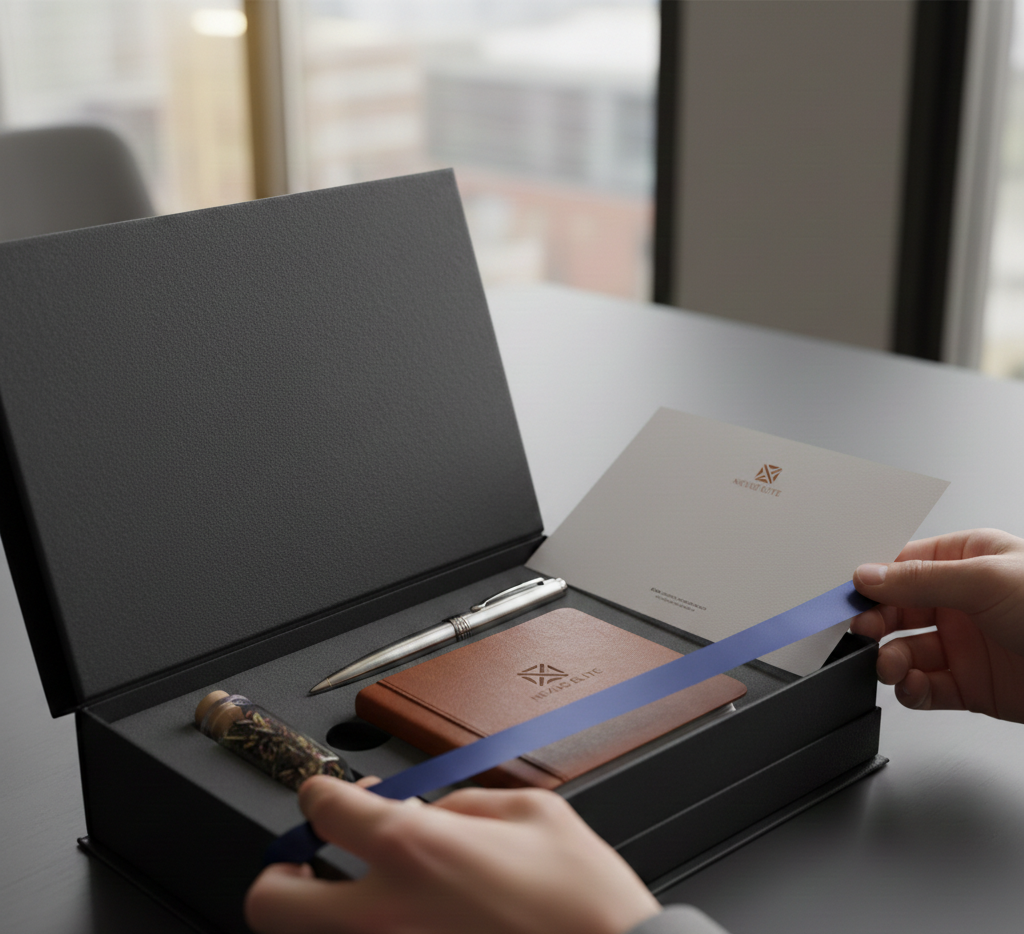
The overlooked lever here is the unboxing experience. If your packaging, insert, and message feel intentional, the product becomes a moment—not just an order. Done well, unboxing is loyalty without a portal.

Referral & Brand Ambassador Programs

Referrals are still one of the cleanest retention loops available because they’re powered by trust. However, most brands treat referral as a widget instead of a system.

Start with a clear referral program strategy: who you want referring, who you want referred, and what action counts as success (first purchase, subscription start, contract signature, etc.). Then, design the incentive so it reinforces loyalty instead of chasing discounts.

For scale, many brands pair referrals with an ambassador program. The difference is consistency: ambassadors aren’t casual referrers; they’re repeat advocates who produce content, drive community, and extend your reach over time. If you’re building a brand ambassador program, your real “reward” might be access, more than money.

There’s also evidence that rewarded referral programs can create customers more likely to continue participating in the referral system than those acquired via advertising, which means the loop can compound.

Gifting & Branded Member Experience Layers

Points are abstract, but gifting is tangible. When it’s done with intention, it turns loyalty into a relationship.

This is where you build a better member experience: not by adding a dozen perks, but by designing moments that make people feel seen. If you want to improve member experience, focus on triggers that matter, like a high-value first purchase, renewal, referral milestone, win your customer achieved using your product, or a service recovery moment that you can turn into trust.

The mechanics don’t have to be complicated. What matters is the story: a short note that references the customer’s context, packaging that feels “on brand,” and a gift that matches what your brand stands for.

This is also where B2B brands have an advantage. In B2B, loyalty often lives inside relationships and renewal cycles. A thoughtful, moment-based gifting layer can reinforce partnership in a way points never will.

Service-Led Loyalty (Support, Upgrades, Warranty)

Some brands don’t need “rewards.” They need less friction. Service-led loyalty works when your product is complex, high-consideration, or support-heavy. Think concierge setup, priority support, warranty extensions, service credits, faster replacements, or dedicated consult time. These benefits are hard to replicate, and they create stickiness because customers don’t want to lose the service level they’ve gotten used to.

If points are a dopamine hit, service-led loyalty is trust that keeps customers through price changes, competitors, and market noise.

Data-Driven Design (Make It Work Long-Term)

Great loyalty is both creative and controlled. The long-term winners treat loyalty as a behavior system that’s tested, measured, and refined.

Start with triggers and segmentation. Identify the moments where loyalty is most fragile (second purchase, post-trial, pre-renewal, after a service issue). Then build offers and experiences that match the customer’s context. A power user doesn’t need “more perks.” They need status, access, and recognition. A new customer needs clarity and a fast win.

Set up preference centers so customers can tell you what they value (access, education, product drops, community, service upgrades). This helps you personalize without being creepy, and it keeps your loyalty system aligned with consent and expectations.

Finally, define loyalty program KPIs before you launch anything. If you don’t know what “good” looks like, you’ll end up optimizing the wrong metric (like signups) instead of retention behavior.

Measurement & Loyalty Program ROI

If you can’t prove value, loyalty becomes an opinion. Measurement should be simple, consistent, and tied to the outcomes that matter.

Your core scorecard should include repeat purchase rate (or renewal rate), AOV, referral rate, and NPS/CSAT. Then track adoption of the alternative you’ve implemented (membership attach rate, experience attendance, service benefit usage, gifting response rate).

This is where you get serious about loyalty program ROI and the bigger question: how to improve customer retention rates without buying loyalty with constant promotions.

The cleanest method is a cohort test. Pick a segment (or geography) and run your alternative model against a control group that stays on points (or no program). Measure lift in repeat rate, time-to-second-purchase, renewal rate, and downstream margin. If you can’t run a true holdout, run a phased rollout and compare pre/post with matched cohorts.

Be careful not to ignore operational costs. A “cheap” loyalty program that eats service time, creates accounting overhead, or introduces fulfillment issues will quietly erase the gains.

Examples & Mini-Playbooks

You don’t need to copy anyone’s program. You need to copy the pattern.

Pattern 1: Paid convenience for high-frequency customers
If your best customers hate shipping fees or delays, a membership that removes friction can beat points because it’s felt on every order. This is why the paid model continues to appear across categories, from retail to services.

Pattern 2: Access and identity for category enthusiasts
If your customers care about knowledge, craft, or community, experiences outperform discounts. Use events, exclusive content, and insider access to turn “buying” into belonging. Research on experiential rewards supports the idea that experiences can foster stronger engagement and advocacy.

Pattern 3: Advocacy loops that compound
A referral engine paired with an ambassador layer can turn your happiest customers into a growth channel. The key is to design the system so advocates feel recognized, not exploited, and to measure participation and downstream retention, not just new customer counts.

90-Day Pilot Plan

A smart pilot is narrow, fast, and measurable. You’re not rebuilding loyalty. You’re proving a better model.

Weeks 1–2: Audit + choose one alternative
Look at your current points program performance: redemption rate, breakage assumptions, top earn behaviors, and whether points are changing purchase frequency or just subsidizing it. Pick one alternative to test (membership, experiences, referrals, gifting, or service-led benefits).

Weeks 3–6: Build the offer and the operations
Stand up the experience: landing page, onboarding flow, fulfillment rules, customer support scripts, and success metrics. If there’s gifting, lock packaging standards and message templates. If it’s service-led, define SLAs and eligibility.

Weeks 7–12: Run, measure, iterate
Launch to a defined cohort. Watch adoption, usage, retention lift, and support friction. Adjust messaging and benefits quickly. At the end, make the decision: scale, refine, or swap the model and test a different alternative.


Why Your Loyalty Program Isn’t Creating Real Customer Loyalty

Most loyalty programs don’t fail because the idea is bad. They fail because the execution trains behavior without building belief.

If your program is basically “spend more, earn points, redeem for a discount,” you’re not creating loyalty; you’re establishing an earn-and-burn habit. Customers show up when the math works and disappear when it doesn’t. That’s why you can have millions of members and still feel like nothing is sticking.

This is where we see the real gap: why loyalty programs fail isn’t a mystery. It’s usually a broken value exchange, weak member experience, and unclear measurement, plus a finance story that’s more liability than growth.

If you want a second set of eyes on your program, request sandbox access or talk to an expert. Sometimes one quick diagnostic reveals the highest-impact fix.

The Core Problem: You’re Rewarding Habit, Not Emotional Loyalty

Most customer loyalty programs are built around transactions, not relationships. They reward what already happened (a purchase) instead of reinforcing what you want to happen next (preference, advocacy, renewal, expansion). Too often, companies reward the largest spenders, who would have continued spending, instead of those who could be convinced to spend more.

That’s the difference between transactional loyalty and real loyalty:

  • Transactional loyalty is “I buy because you’re offering something.”
  • Real loyalty is “I buy because I choose you, even when someone else offers something.”

When your program leans too hard on points and discounts, you train customers to wait for incentives. Over time, they become loyal to the deal over the brand. Harvard Business Review has pointed out how common this is: a majority of companies offer loyalty programs, consumers belong to many of them, and membership alone doesn’t guarantee actual loyalty. 

The fix starts with a clearer lens: value exchange.

A strong loyalty program value exchange gives customers something they can’t get elsewhere, through recognition, access, experience, and relevance. Think: early access, VIP service layers, member-only expertise, curated experiences, personal milestones acknowledged, and perks that feel like the brand, and not a coupon. When a loyalty program is truly compelling, 77% of consumers agree that they are more likely to remain loyal to a brand long-term, while poor loyalty program experiences have dissuaded more than one-third of consumers from future purchases.

Top Reasons Why Loyalty Programs Fail (and How to Fix Them)

Low Customer Engagement & Activation

Low engagement rarely means customers “don’t care.” It usually means your program isn’t giving them a reason to care soon enough.

Common causes:

  • The promise is vague (“earn points”), and the payoff feels far away.
  • Onboarding is passive; customers join, then hear nothing meaningful.
  • The first 30 days have no momentum.

Fix it by designing early wins. Your first-touch experience should make the program feel instantly valuable: a welcome benefit with a clear use case, a simple “first action” journey, and one memorable moment that signals, “this is different.”

If you want members to behave differently, you can’t start by asking for patience. Start with clarity and a quick payoff, then earn the right to ask for deeper behaviors.

Low or Hollow Redemptions

In addition to being a metric, redemption is a trust signal. When redemptions are low, it’s often because:

  • Earning takes too long.
  • Redemption paths are complicated.
  • The catalog feels irrelevant or cheap.
  • Customers don’t know what they’re working toward.

Fix it by removing friction and curating rewards that match real customer motivation. Most programs overload choice and under-deliver relevance. A tighter catalog can outperform a bigger one if it’s built around moments: “thank you,” “welcome,” “milestone,” “renewal,” “referral,” “win-back.”

Also: map redemption options to the brand experience you’re trying to deliver. If your brand is premium, rewards need to feel premium. If your brand is practical, rewards should make life easier. Customers notice when the reward feels like an afterthought.

Discount Dependency

Discount dependency is the silent killer. If your best perk is a price cut, customers learn one thing: “Wait for the next deal.”

Fix it by rebalancing. Discounts can exist, but they shouldn’t be the foundation. Cap them, gate them, or reserve them for very specific moments (win-back, margin-protected bundles, or tier-based access). Then shift the center of gravity toward:

  • Access (early launches, limited inventory, priority support)
  • Experiences (events, consultations, behind-the-scenes content)
  • Recognition (personal milestones, member spotlights, surprises)
  • Service layers (faster resolution, concierge options)

If you want loyalty, you need differentiation that isn’t instantly copyable.

Poor Personalization

Personalization fails when it’s treated like “more messages” instead of “more relevance.”

Common causes:

  • Over-reliance on third-party data or generic segments
  • No preference capture (so you guess what matters)
  • Too many offers, too little meaning

Fix it by building opt-in preference loops and using first-party signals with restraint. The goal isn’t to personalize everything. It’s to personalize the right moments: onboarding, post-purchase follow-up, renewal windows, and lifecycle milestones.

This is also where loyalty program design matters. Design the program to learn about the customer naturally, through choices, behaviors, and simple preference asks, then use that to shape what they see next.

No Differentiation / “Me Too” Tiers

A tiered program can be powerful. But tiering without meaning is just a hierarchy of discounts.

Common causes:

  • Tier names that feel generic
  • Tier criteria that reward spend only (and ignore behaviors you actually want)
  • Benefits that blur together (classic tier dilution)

Fix it by making tiers feel like identity, not math. Sharpen the criteria and name tiers in a way that reflects brand personality. Then attach benefits customers can’t easily get elsewhere: access, status, service, community, and recognition. If a higher tier doesn’t feel emotionally different, customers won’t behave differently.

Bad UX & Fragmented Ops

Some programs die in the experience layer: clunky mobile flows, confusing dashboards, inconsistent terms, broken emails, and delayed fulfillment.

Fix it by treating UX as a loyalty driver, not a design detail. Audit the end-to-end path: join → understand → earn → track → redeem → receive. Then lock down operational standards: SLAs, QA, and a reliable fulfillment workflow.

If physical rewards are part of your program, route them through a controlled, brand-safe system, often a company store model or centralized fulfillment partner, so the experience stays consistent and on-brand across regions and teams.

Finance Friction: Points Liability & Breakage

Points are also an accounting reality. When a program scales, finance starts asking the right questions: What’s the points liability? What’s the breakage assumption? Is this sustainable? Under IFRS guidance, loyalty points can create contract liabilities that need to be recognized and managed appropriately.

Fix it by designing for sustainability:

  • Build redemption options that are desirable but margin-aware.
  • Model liability and breakage intentionally (and revisit assumptions).
  • Use expiration and governance carefully; customers will tolerate rules if the value exchange feels fair.
  • Avoid “infinite points” structures that balloon without control.

Finance doesn’t need to be your blocker. They can be your ally if the program is measurable and responsibly designed.

No Measurement, No ROI Story: Loyalty Program KPIs That Matter

If you can’t explain the impact, you won’t protect the budget.

Fix it by defining loyalty program KPIs that connect behavior to business outcomes, not just program activity. Membership growth is not the win; profitable retention is.

Start with a simple set:

  • Active member rate (not total enrollments)
  • Repeat purchase/renewal rate
  • Redemption rate and time-to-redeem
  • AOV and purchase frequency shifts
  • Referral rate
  • Churn rate movement
  • NPS/CSAT changes among members vs. non-members

Then tell the story in plain language: “Members behave differently, and here’s the evidence.”

Customer Loyalty Strategies to Define Loyalty Program Design

If your program is currently a discount engine, don’t panic. You don’t have to overhaul it; you just have to reframe it.

Here’s the framework we use to shift from transactional incentives to emotional loyalty:

  1. Define the behaviors you want
    Not just “spend more.” Think: renew, refer, review, adopt new products, expand usage, attend events, complete training, submit feedback.
  2. Design triggers and rules that reinforce those behaviors
    Reward the moments that matter, not only the moment of purchase. Add frequency caps and governance so the system remains fair and financially viable.
  3. Build around lifecycle moments
    Onboarding. First success. Milestones. Renewal. Expansion. Advocacy. Win-back. These are the points where loyalty is decided.
  4. Make the rewards feel like your brand
    Recognition, access, and experience should mirror your identity. If your “loyalty” experience feels generic, customers will treat it generically.

This is how loyalty becomes felt, not just calculated.

Customer Retention and Advanced Analytics for Measuring Loyalty Program ROI

The ROI story gets easier when you stop trying to “prove loyalty” and start proving behavior change.

First: anchor to customer retention. Retention is where loyalty pays off. Bain’s research has shown that even a 5% improvement in retention can drive significant profit gains (often cited as 25% to 95%, depending on industry).

Next: use a basic cohort approach. You don’t need a PhD in statistics to start.

  • Define an “exposed” group (members who received the program experience)
  • Define a “control” group (similar customers who didn’t)
  • Track outcomes over a fixed window (60–90 days for commerce, longer for subscription or B2B)

Then layer in advanced analytics for measuring loyalty program ROI when you’re ready: uplift modeling, propensity scoring, and segmentation that predicts who is most likely to change behavior, and what lever does it.

This is also how you answer the hard questions: Are we driving incremental revenue, or just subsidizing customers who would have purchased anyway?

90-Day Turnaround Plan for Loyalty Programs

If your program isn’t working, you don’t need a year-long rebuild to see movement. You need a focused 90-day plan.

Weeks 1–2: Audit
Review engagement, redemption, UX, and finance risk. Identify where the program breaks: onboarding? catalog? tiers? fulfillment? measurement?

Weeks 3–6: Fix three high-impact issues
Pick the few changes most likely to move behavior fast, such as one activation fix, one tier/value exchange fix, and one curated experiential reward or recognition layer.

Weeks 7–12: Pilot, measure, iterate, scale
Run a pilot with a defined segment. Measure cohort impact. Adjust, then roll out.

For B2B loyalty programs, the same logic applies, but the behaviors often differ: renewals, expansion, training completion, advocacy, and referrals matter more than frequency of small purchases. Your program should reward those relationship-building moments.

Conclusion

A loyalty program isn’t a coupon strategy with a nicer name. It’s a customer experience system, and it either reinforces preference or trains price sensitivity.

If your program isn’t creating real loyalty, don’t default to “more points” or “bigger discounts.” Fix the value exchange. Build differentiated access and recognition. Make redemption easy and meaningful. Clean up the experience. Then measure it in a way that finance respects.

If you want help diagnosing what’s broken and what will actually move the needle, request sandbox access or talk to an expert. We’ll help you redesign a program that earns retention instead of renting it.

Loyalty Program Ideas That Drive Real Customer Retention

Most loyalty programs aren’t failing because customers “don’t care.” They’re failing because points-only earn-and-burn programs plateau. When every brand offers the same currency, the same redemption flow, and the same generic rewards, loyalty turns into math, not meaning. And in a market where customers already belong to a lot of programs, you’re not just competing for spend. You’re competing for attention and emotion.

The fix isn’t to throw out points entirely. It’s to expand your approach with loyalty program ideas that build both behavioral loyalty (repeat purchases) and emotional loyalty (preference, pride, advocacy).

Book a live walkthrough. We’ll map the best-fit loyalty model for your brand, then pressure-test it against margins, ops, and customer experience.

What Is a Loyalty Program? (And Why Points Plateau)

A loyalty program is a structured value exchange: customers take actions you care about (such as buying again, referring friends, or engaging with your brand), and you return value (rewards, recognition, access, convenience, or experiences). At its best, it’s not a coupon engine. It’s a customer engagement strategy that makes staying feel smarter and more personal than leaving.

Points plateau for a few predictable reasons:

First, thin differentiation. If your rewards look like everyone else’s, customers treat your program like everyone else’s: transactional, replaceable, easy to ignore.

Second, points create real financial and operational pressure. Unredeemed rewards (“breakage”) and deferred revenue can become a governance headache, and points liability needs to be modeled, managed, and updated as redemption behavior changes.

Third, points don’t automatically create advocacy. You can have a huge member base and still struggle with the outcomes that matter most: repeat purchases, deeper engagement, and customers who actually tell others to join.

Loyalty Program Ideas That Go Beyond Points

Tiered Loyalty Program & VIP Programs

A tiered loyalty program works because status is sticky and the customer is progressing. The most effective tier-based loyalty programs make tiers feel like identity, not accounting.

Start with loyalty program tier names that match your brand voice. Instead of Bronze/Silver/Gold, build tier language that signals meaning (and sets expectations). For example:

  • “Member” → “Insider” → “Founding Circle” (for community-led brands)
  • “Core” → “Elevate” → “Premier” (for premium retail)
  • “Partner” → “Preferred” → “Strategic” (for B2B loyalty programs)

Then define clear rules: what drives tier movement (annual spend, frequency, engagement, referrals), what keeps status (rolling 12 months is usually cleaner than lifetime), and what customers unlock at each level.

What makes tiers powerful isn’t the gift. It’s access: early drops, concierge support, priority inventory, VIP service routing, member-only education, exclusive packaging, private community moments. Mastercard notes that tiered programs create goals and aspirations, key drivers for retention and advocacy.

Experiential Rewards & Brand Moments

Experiential rewards are where loyalty stops feeling like a rebate and starts feeling like a relationship. These don’t have to be celebrity events or massive budgets. They have to be on brand and hard to replicate.

Think in “brand moments”:

  • Education: workshops, tutorials, consults, behind-the-scenes content
  • Community: member meetups, private livestreams, insider forums
  • Surprise & delight: unexpected upgrades, handwritten notes, “we noticed” recognition
  • Lifecycle moments: first purchase anniversary, 5th order, birthday, new category trial

The goal is member experience; a program customers would miss if it disappeared.

Referral & Advocacy Programs

A strong referral program strategy treats referrals like a product: clear conversion events, clean attribution, and incentives that don’t collapse your margin.

The simplest structure is a double-sided reward (referrer + friend), but guardrails matter: eligibility rules, caps, validation, and basic fraud checks. Even referral experts emphasize that double-sided incentives only work when you apply financial discipline and operational controls, not just hype.

Advocacy doesn’t have to be only “invite a friend.” It can include UGC prompts, review milestones, community contributions, and “member stories” that highlight real use cases. The best referral engines create a feeling of camaraderie with existing customers that inspires new conversions.

Subscription Loyalty Programs / Paid Loyalty

Subscription loyalty programs (including a paid loyalty program) work when you’re selling convenience + confidence. Customers pay because they believe they’ll get value repeatedly and because the experience feels smoother inside the membership than outside it.

This model is powerful, but it’s not automatic. You need a price dictated by value math: what benefits cost you (shipping, service, perks) versus what behavior lift you expect (frequency, AOV, reduced churn). McKinsey has consistently highlighted that paid loyalty programs must balance “hard benefits” (like shipping value) with experiential benefits that keep customers emotionally invested. 

A familiar example is Prime. Renewal rates have been cited as extremely high over time, illustrating how sticky a well-designed paid program can be once habits form.

The watch-outs: subscribers churn when benefits feel stale, when onboarding is unclear, or when fulfillment and service don’t match the promise.

Gifting as a Loyalty Layer

Gifting is an underrated loyalty lever because it doesn’t feel transactional when done right. The key is to treat gifting as moment-based personalization, not a generic “thanks.”

Use gifting to reinforce emotional loyalty:

  • “Welcome” gifts that set the tone (not cheap swag; brand-aligned and useful)
  • Tier ascension gifts that make status tangible
  • Recovery gifts after a service failure (fast, thoughtful, not performative)
  • Milestone gifts tied to customer lifecycle moments

Your copy matters here. Gifting should read like a human note, not a campaign: “We noticed you…” “We appreciate how you…” “This felt like you…”

And yes, unboxing is part of loyalty; packaging, presentation, and speed signal care and that the gift was more than an afterthought.

Gamification Loyalty Programs & Challenges

Gamification works when it amplifies your brand instead of cheapening it. The goal isn’t to turn your customers into point-chasers. It’s to make progress visible.

The highest-performing gamification usually looks like:

  • Missions: “Try a new category,” “Complete your setup,” “Share a tip”
  • Streaks: consistent engagement behaviors (but avoid punishing normal life)
  • Badges: values-based identity markers (expert, mentor, collector, curator)

Keep it simple and tie every challenge to a business behavior you actually want: second purchase, cross-category adoption, referral, review submission, renewal.

Smart Monetary Perks in the Mix

Monetary perks still matter, but don’t let them define the entire program. Benefits like free delivery can be a supporting feature that boosts conversion and satisfaction, but if shipping is your only differentiator, you’re building a program customers will switch away from the moment another brand matches your offer.

Use monetary perks to remove friction, while tiers, experiences, gifting, and community create stickiness.

Program Design Framework: Behaviors, Triggers & Rules

Great loyalty design starts with one question: What customer behaviors are we trying to increase, specifically? Not “engagement.” Not “loyalty.” Actual behaviors.

Map it like this:

  1. Behavior: second purchase within 45 days
  2. Trigger: first delivery confirmed + product category
  3. Offer: mission + small reward + education
  4. Rule: once per customer, expires in 14 days, clear eligibility

Do this for 2–3 core behaviors first (repeat purchase, referral, subscription upgrade, category expansion). Then add guardrails, like frequency caps, exclusions, tier qualification windows, and escalation rules.

Personalization should rely on first-party signals (purchase history, preferences, lifecycle milestones) without getting creepy. Be explicit about data privacy and preferences, because trust is part of loyalty, especially considering that 61% of Americans want to limit who has access to their data. Governance isn’t a legal footnote; it’s how you protect the brand.

Customer Experience as the Loyalty Engine

If your program is “good” on paper but clunky in real life, customers won’t engage. Loyalty is a product experience.

Design the end-to-end journey:

  • Messaging cadence that doesn’t spam
  • A clear progress view (status, benefits, next step)
  • Fast service routing for members (especially VIP)
  • Reward fulfillment that feels premium and predictable

This is also where many brands benefit from routing rewards through a company store experience: it protects brand consistency, makes curation easier, and simplifies operations, especially when you’re using physical goods, kits, or branded experiences.

At Inch, we treat loyalty touchpoints the same way we treat brand experience: curated, consistent, and operationally sound, because the “moment” is only magical if it arrives on time and on brand.

Operations Make or Break Loyalty

Loyalty programs fail quietly in ops. If rewards arrive late, damaged, inconsistent, or confusing, customers don’t just get annoyed; they downgrade what they believe about your brand. Operational readiness includes:

  • Fulfillment SLAs you can actually hit
  • Inventory strategy (especially for tier gifts)
  • QA processes for packaging and brand standards
  • Clear shipping windows and proactive communication
  • Returns/replacements policy for rewards (yes, you need one)
  • Global logistics planning, if you have international members

This is where loyalty stops being a marketing project and becomes a cross-functional system.

Measurement & ROI

Measure what matters, and keep it clean:

  • Active members % (not just total signups)
  • Repeat purchase rate (and time-to-second purchase)
  • AOV lift for members vs non-members
  • Referral rate and conversion quality
  • Churn/renewal rate (especially for paid models)
  • NPS/CSAT movement for members

The simplest proof model is a cohort test. Compare an exposed group (eligible for a module) against a control group over the same window. Tie lift to revenue and margin, and track cost-to-serve (rewards + shipping + service). BCG notes that loyalty is getting harder as markets saturate, so measurement isn’t optional; it’s how you earn the right to scale. 

90-Day Build Plan

Week 1–2: Audit your current program, economics, and member behavior. Identify two behaviors to move (example: second purchase speed + referrals). Confirm points liability approach and breakage assumptions if points exist.

Week 3–6: Prototype two modules that complement each other, such as Tiered + Experiential, or Referral + Subscription. Build the messaging, rules, and operational flows. Stress-test fulfillment SLAs and customer support.

Week 7–12: Pilot to a segment. Measure, iterate, and scale what works. Keep the rest in the backlog. Loyalty improves when you treat it like a product roadmap, not a one-time launch.

Final Thought

If you want real customer retention, stop asking, “How many points should we give?” and start asking, “What experience makes customers feel like they belong here?”

Points can drive transactions. But tiered access, experiential rewards, gifting, referrals, and paid value are what drive preference, and preference is what survives competitors.

If you want help designing a loyalty system that’s brand-aligned, operationally sound, and built for measurable lift, book a live walkthrough. We’ll bring the strategy, the curation, and the fulfillment backbone, so your loyalty program actually feels like your brand.

Customer Loyalty Strategies: Build Loyalty Through Gifting & Brand Experience

Points programs are easy to launch and copy. That’s why so many loyalty programs feel “fine” on paper, yet stall out in the real world. Customers redeem, but they don’t remember. They earn, but they don’t feel anything. And without emotion, you don’t get the outcomes you actually want: retention, referrals, and repeat purchases.

The better play is to treat loyalty as a customer experience strategy, not a math problem. Pair personalized gifts with brand moments that feel intentional, human, and consistent, and you create loyalty that doesn’t depend on constant discounts or gimmicks.

If you want to operationalize gifting at scale (without chaos), request sandbox access and see how an always-on store + fulfillment backbone makes it simple.

Why Most Customer Loyalty Strategies Plateau

Most customer loyalty strategies plateau for the same reason: they confuse activity with attachment.

Points programs reward transactions, not relationships. They can increase repeated purchases for a while, but once customers get used to the incentive, the program becomes background noise. You’ll see it in your customer satisfaction metrics: redemption goes up, but NPS/CSAT doesn’t move much. Renewal rate stays flat. Referral rate doesn’t spike. Average order value (AOV) might lift briefly, then regress.

What’s missing is emotional connection; the part of loyalty that shows up when there’s no coupon, limited-time bonus, or reminder email. Real loyalty is the customer choosing you because the experience felt personal, easy, and consistent. It’s long-term relationships, not transactional behavior.

If your current program is mostly “earn and burn,” you don’t need more points. You need better moments.

Gifting as a Loyalty Lever (Without Feeling Transactional)

Gifting works because it’s built on human psychology, not program mechanics.

First: reciprocity. People feel an internal pull to respond to generosity with generosity, sometimes immediately, often over time. That doesn’t mean customers “owe” you; it means a well-timed gesture can strengthen the customer relationships you’re already building. 

Second: the peak-end rule. Customers don’t remember every touchpoint equally. They judge an experience largely by its most intense moment (the “peak”) and how it ends. That’s why the right gift, at the right moment, delivered the right way, can outweigh a dozen “standard” interactions.

So gifting isn’t a giveaway. It’s a way to design peaks and endings across the customer lifecycle, especially for existing customers, where retention is the real profit lever.

Personalized Gifts vs. Generic

Generic gifts are easy, but they’re also forgettable. Personalized gifts win when you want the customer to feel seen, not targeted. The rule isn’t “personalize everything.” It’s “personalized when it changes the story.”

Use personalization when:

  • The relationship is high value (strategic accounts, renewals, enterprise expansions).
  • The moment is high meaning (milestones, launch success, major adoption wins).
  • The customer has earned it through behavior (advocacy, referrals, participation in a case study).

In B2B, personalization doesn’t have to be invasive or overly “data-driven.” It can be simple: a note that references a real outcome, a curated kit aligned to their role, or a choice-based redemption experience that respects preferences.

Examples of a smart client gifting strategy (without going overboard):

  • A “launch day” kit for the internal champion who carried the rollout.
  • A team pack for cross-functional partners after a major milestone.
  • A renewal “thank you” that feels like a relationship marker, not a retention bribe.

Personalization should feel like taste and intention, not surveillance.

Design the Customer Experience Strategy Around Moments

If you want loyalty, stop thinking in campaigns and start thinking in moments. Map the lifecycle and ask: where can we create a peak, reduce friction, and end well? Strong brand moments tend to cluster around:

  • Onboarding (the first real experience after the sale)
  • Milestones (day 30/60/90, first success outcome, usage thresholds)
  • Renewals (the decision point you can’t afford to treat as routine)
  • Expansion (when trust converts into a deeper commitment)
  • Advocacy (referrals, reviews, speaking, case studies)

This is where loyalty program alternatives beat traditional loyalty programs. You don’t need customers to check a dashboard to “feel loyal.” You need them to remember how the brand made them feel at the moments that matter.

A practical approach:

  1. Identify 4–6 moments that shape retention (not the full customer journey map).
  2. Decide what “great” looks like for each moment.
  3. Build a lightweight gifting + experience layer that reinforces that standard.

Unboxing Experience & Packaging

The unboxing experience is not a consumer-only thing. In B2B, packaging is still part of the message, especially when the recipient is your internal champion or executive sponsor.

If you want brand experience examples that actually move the needle, focus on the details customers can touch:

  • Packaging that feels on-brand (not generic, not cheap)
  • A short note that connects the gift to impact
  • Clean redemption/store UX for choice-based gifts
  • Consistent presentation across regions and teams

This is where brand consistency matters. A premium brand that ships sloppy boxes creates distrust. A “human” brand that sends a robotic note creates distance. The physical experience is part of your marketing strategy because it shapes memory.

Gift Cards: When They Help, When They Hurt

Gift cards can be a strong tool in your loyalty stack. They’re also an easy way to accidentally make your program feel transactional.

When gift cards help:
They scale. They work globally. They reduce sizing issues and preference mismatch. They’re especially useful when you need to reward a broad customer base quickly, or when you’re gifting across multiple countries.

When gift cards hurt:
They can feel impersonal, like cash with a logo. If there’s no story, no context, and no brand experience around it, it reads as “we needed to do something.”

The solution isn’t “never use gift cards.” It’s to make them feel like part of an experience:

  • Pair them with a short, specific note (“Here’s what you made possible…”).
  • Use them for choice, not as a substitute for thinking.
  • Put them inside a simple branded moment (packaging, messaging, timing).

Also: keep compliance in mind. Customer gifting can intersect with anti-bribery rules (especially for regulated industries, public sector, or global accounts). The standard is typically “reasonable and proportionate,” with clear internal guardrails. And if you’re using customer data to trigger gifts, treat privacy seriously (GDPR/CCPA implications). Don’t over-collect or over-personalize; use customer data with restraint and respect.

Timing, Triggers & Budget Rules

The fastest way to waste gifting budget is to treat it like a random surprise calendar. The fastest way to make gifting feel transactional is to tie it only to revenue. You need both event-based and behavior-based triggers, plus simple governance.

Event-based triggers (relationship markers):

  • Onboarding completion
  • One-year anniversary
  • Renewal signed
  • Expansion kickoff
  • Executive business review (EBR) follow-up

Behavior-based triggers (momentum markers):

  • Advocacy actions (review, referral, speaking)
  • Product adoption milestones
  • Support partnership (high collaboration moments)
  • “Saved the day” moments during a critical issue

Then set budget tiers that match impact. Not every moment needs the same spend; what matters is consistency, quality, and intent. Use a model like:

  • Tier 1: broad, light-touch (high volume)
  • Tier 2: targeted moments (mid volume)
  • Tier 3: strategic accounts/champions (low volume, high intent)

This is how you protect the budget while still building loyalty.

Ops That Make or Break Loyalty Plays

You can have the best strategy in the world, but lose all the goodwill with bad execution. Operational cracks show up as:

  • Missed shipping windows (the gift arrives after the moment)
  • Wrong items, damaged boxes, inconsistent packaging
  • No visibility into inventory or spend
  • International shipping headaches
  • Teams going rogue (random vendors, inconsistent brand)

This is why fulfillment isn’t “backend.” It’s part of the experience.

If you’re serious about retaining customers through gifting, you need:

  • Clear fulfillment SLAs
  • QA checks that protect brand consistency
  • Predictable shipping windows (especially around renewals and milestones)
  • International capabilities (duties, restrictions, timelines)
  • A system that makes it easy for teams to execute without creating chaos

Company stores and curated catalogs can simplify execution, especially when multiple teams (CS, sales, marketing) are interacting with the same customers. The goal is fewer “one-off” emergencies and more repeatable, reliable loyalty moments.

Customer Retention Strategies: Measurement & ROI

If you can’t measure it, gifting becomes “nice.” That’s not good enough to drive business outcomes. Tie gifting to desired endpoints with a simple test-and-learn model.

Start with metrics that map to loyalty:

  • Renewal rate
  • Repeat purchase rate
  • Referral rate
  • Average order value (AOV)
  • NPS/CSAT
  • Time-to-renewal (for subscription models)

Then run a basic cohort test. Start by picking one moment (example: renewal outreach at 90 days pre-renewal) and splitting customers into two cohorts: those with and without gifts. Keeping everything else consistent, track renewal rate and time-to-close. You’ll learn quickly what works and for which segments.

Also watch operational metrics:

  • Fulfillment SLAs met
  • Delivery success rate
  • Redemption rate (if applicable)
  • Internal time saved (less manual coordination)

That’s how you prove ROI with effective strategies, not anecdotes.

90-Day Plan

Week 1–2: Audit + moments map. Look at your customer journey and identify 4–6 moments that influence retention. Pull baseline metrics (renewal rate, referral rate, NPS/CSAT). Identify where brand consistency breaks today.

Week 3–6: Pilot one moment + one kit. Choose a single moment (renewal, milestone, or advocacy). Build one kit or one redemption flow. Define triggers, tiering, and fulfillment SLAs. Keep it tight.

Week 7–12: Measure → automate. Run the cohort test. Collect qualitative feedback from customers and internal teams. If results are there, automate the trigger and expand to the next moment.

This is how you turn surprise and delight marketing into a real operating system, not a series of one-offs.

Conclusion

If your loyalty program is stuck, don’t automatically add more points, more tiers, or more complexity. Most loyalty program alternatives fail for the same reason points programs do: they ignore how customers actually build trust.

Gifting works when it’s designed as a brand experience, rooted in timing, emotion, and operational excellence. Create peak moments. End well. Protect consistency. Measure what matters. That’s how you turn customer appreciation into long-term relationships that drive retention, referrals, and repeat purchases.

Want to see what this looks like in practice, especially the operational side (stores, kitting, fulfillment, budget control, reporting)? Request sandbox access.