
Why Your Loyalty Program Isn’t Creating Real Customer Loyalty

Most loyalty programs don’t fail because the idea is bad. They fail because the execution trains behavior without building belief.

If your program is basically “spend more, earn points, redeem for a discount,” you’re not creating loyalty; you’re establishing an earn-and-burn habit. Customers show up when the math works and disappear when it doesn’t. That’s why you can have millions of members and still feel like nothing is sticking.

This is where we see the real gap: why loyalty programs fail isn’t a mystery. It’s usually a broken value exchange, weak member experience, and unclear measurement, plus a finance story that’s more liability than growth.

If you want a second set of eyes on your program, request sandbox access or talk to an expert. Sometimes one quick diagnostic reveals the highest-impact fix.

The Core Problem: You’re Rewarding Habit, Not Emotional Loyalty

Most customer loyalty programs are built around transactions, not relationships. They reward what already happened (a purchase) instead of reinforcing what you want to happen next (preference, advocacy, renewal, expansion). Too often, companies reward the largest spenders, who would have continued spending, instead of those who could be convinced to spend more.

That’s the difference between transactional loyalty and real loyalty:

  • Transactional loyalty is “I buy because you’re offering something.”
  • Real loyalty is “I buy because I choose you, even when someone else offers something.”

When your program leans too hard on points and discounts, you train customers to wait for incentives. Over time, they become loyal to the deal over the brand. Harvard Business Review has pointed out how common this is: a majority of companies offer loyalty programs, consumers belong to many of them, and membership alone doesn’t guarantee actual loyalty. 

The fix starts with a clearer lens: value exchange.

A strong loyalty program value exchange gives customers something they can’t get elsewhere, through recognition, access, experience, and relevance. Think: early access, VIP service layers, member-only expertise, curated experiences, personal milestones acknowledged, and perks that feel like the brand, and not a coupon. When a loyalty program is truly compelling, 77% of consumers agree that they are more likely to remain loyal to a brand long-term, while poor loyalty program experiences have dissuaded more than one-third of consumers from future purchases.

Top Reasons Why Loyalty Programs Fail (and How to Fix Them)

Low Customer Engagement & Activation

Low engagement rarely means customers “don’t care.” It usually means your program isn’t giving them a reason to care soon enough.

Common causes:

  • The promise is vague (“earn points”), and the payoff feels far away.
  • Onboarding is passive; customers join, then hear nothing meaningful.
  • The first 30 days have no momentum.

Fix it by designing early wins. Your first-touch experience should make the program feel instantly valuable: a welcome benefit with a clear use case, a simple “first action” journey, and one memorable moment that signals, “this is different.”

If you want members to behave differently, you can’t start by asking for patience. Start with clarity and a quick payoff, then earn the right to ask for deeper behaviors.

Low or Hollow Redemptions

In addition to being a metric, redemption is a trust signal. When redemptions are low, it’s often because:

  • Earning takes too long.
  • Redemption paths are complicated.
  • The catalog feels irrelevant or cheap.
  • Customers don’t know what they’re working toward.

Fix it by removing friction and curating rewards that match real customer motivation. Most programs overload choice and under-deliver relevance. A tighter catalog can outperform a bigger one if it’s built around moments: “thank you,” “welcome,” “milestone,” “renewal,” “referral,” “win-back.”

Also: map redemption options to the brand experience you’re trying to deliver. If your brand is premium, rewards need to feel premium. If your brand is practical, rewards should make life easier. Customers notice when the reward feels like an afterthought.

Discount Dependency

Discount dependency is the silent killer. If your best perk is a price cut, customers learn one thing: “Wait for the next deal.”

Fix it by rebalancing. Discounts can exist, but they shouldn’t be the foundation. Cap them, gate them, or reserve them for very specific moments (win-back, margin-protected bundles, or tier-based access). Then shift the center of gravity toward:

  • Access (early launches, limited inventory, priority support)
  • Experiences (events, consultations, behind-the-scenes content)
  • Recognition (personal milestones, member spotlights, surprises)
  • Service layers (faster resolution, concierge options)

If you want loyalty, you need differentiation that isn’t instantly copyable.

Poor Personalization

Personalization fails when it’s treated like “more messages” instead of “more relevance.”

Common causes:

  • Over-reliance on third-party data or generic segments
  • No preference capture (so you guess what matters)
  • Too many offers, too little meaning

Fix it by building opt-in preference loops and using first-party signals with restraint. The goal isn’t to personalize everything. It’s to personalize the right moments: onboarding, post-purchase follow-up, renewal windows, and lifecycle milestones.

This is also where loyalty program design matters. Design the program to learn about the customer naturally, through choices, behaviors, and simple preference asks, then use that to shape what they see next.

No Differentiation / “Me Too” Tiers

A tiered program can be powerful. But tiering without meaning is just a hierarchy of discounts.

Common causes:

  • Tier names that feel generic
  • Tier criteria that reward spend only (and ignore behaviors you actually want)
  • Benefits that blur together (classic tier dilution)

Fix it by making tiers feel like identity, not math. Sharpen the criteria and name tiers in a way that reflects brand personality. Then attach benefits customers can’t easily get elsewhere: access, status, service, community, and recognition. If a higher tier doesn’t feel emotionally different, customers won’t behave differently.

Bad UX & Fragmented Ops

Some programs die in the experience layer: clunky mobile flows, confusing dashboards, inconsistent terms, broken emails, and delayed fulfillment.

Fix it by treating UX as a loyalty driver, not a design detail. Audit the end-to-end path: join → understand → earn → track → redeem → receive. Then lock down operational standards: SLAs, QA, and a reliable fulfillment workflow.

If physical rewards are part of your program, route them through a controlled, brand-safe system, often a company store model or centralized fulfillment partner, so the experience stays consistent and on-brand across regions and teams.

Finance Friction: Points Liability & Breakage

Points are also an accounting reality. When a program scales, finance starts asking the right questions: What’s the points liability? What’s the breakage assumption? Is this sustainable? Under IFRS guidance, loyalty points can create contract liabilities that need to be recognized and managed appropriately.

Fix it by designing for sustainability:

  • Build redemption options that are desirable but margin-aware.
  • Model liability and breakage intentionally (and revisit assumptions).
  • Use expiration and governance carefully; customers will tolerate rules if the value exchange feels fair.
  • Avoid “infinite points” structures that balloon without control.

Finance doesn’t need to be your blocker. They can be your ally if the program is measurable and responsibly designed.

No Measurement, No ROI Story: Loyalty Program KPIs That Matter

If you can’t explain the impact, you won’t protect the budget.

Fix it by defining loyalty program KPIs that connect behavior to business outcomes, not just program activity. Membership growth is not the win; profitable retention is.

Start with a simple set:

  • Active member rate (not total enrollments)
  • Repeat purchase/renewal rate
  • Redemption rate and time-to-redeem
  • AOV and purchase frequency shifts
  • Referral rate
  • Churn rate movement
  • NPS/CSAT changes among members vs. non-members

Then tell the story in plain language: “Members behave differently, and here’s the evidence.”

Customer Loyalty Strategies to Define Loyalty Program Design

If your program is currently a discount engine, don’t panic. You don’t have to overhaul it; you just have to reframe it.

Here’s the framework we use to shift from transactional incentives to emotional loyalty:

  1. Define the behaviors you want
    Not just “spend more.” Think: renew, refer, review, adopt new products, expand usage, attend events, complete training, submit feedback.
  2. Design triggers and rules that reinforce those behaviors
    Reward the moments that matter, not only the moment of purchase. Add frequency caps and governance so the system remains fair and financially viable.
  3. Build around lifecycle moments
    Onboarding. First success. Milestones. Renewal. Expansion. Advocacy. Win-back. These are the points where loyalty is decided.
  4. Make the rewards feel like your brand
    Recognition, access, and experience should mirror your identity. If your “loyalty” experience feels generic, customers will treat it generically.

This is how loyalty becomes felt, not just calculated.

Customer Retention and Advanced Analytics for Measuring Loyalty Program ROI

The ROI story gets easier when you stop trying to “prove loyalty” and start proving behavior change.

First: anchor to customer retention. Retention is where loyalty pays off. Bain’s research has shown that even a 5% improvement in retention can drive significant profit gains (often cited as 25% to 95%, depending on industry).

Next: use a basic cohort approach. You don’t need a PhD in statistics to start.

  • Define an “exposed” group (members who received the program experience)
  • Define a “control” group (similar customers who didn’t)
  • Track outcomes over a fixed window (60–90 days for commerce, longer for subscription or B2B)

Then layer in advanced analytics for measuring loyalty program ROI when you’re ready: uplift modeling, propensity scoring, and segmentation that predicts who is most likely to change behavior, and what lever does it.

This is also how you answer the hard questions: Are we driving incremental revenue, or just subsidizing customers who would have purchased anyway?

90-Day Turnaround Plan for Loyalty Programs

If your program isn’t working, you don’t need a year-long rebuild to see movement. You need a focused 90-day plan.

Weeks 1–2: Audit
Review engagement, redemption, UX, and finance risk. Identify where the program breaks: onboarding? catalog? tiers? fulfillment? measurement?

Weeks 3–6: Fix three high-impact issues
Pick the few changes most likely to move behavior fast, such as one activation fix, one tier/value exchange fix, and one curated experiential reward or recognition layer.

Weeks 7–12: Pilot, measure, iterate, scale
Run a pilot with a defined segment. Measure cohort impact. Adjust, then roll out.

For B2B loyalty programs, the same logic applies, but the behaviors often differ: renewals, expansion, training completion, advocacy, and referrals matter more than frequency of small purchases. Your program should reward those relationship-building moments.

Conclusion

A loyalty program isn’t a coupon strategy with a nicer name. It’s a customer experience system, and it either reinforces preference or trains price sensitivity.

If your program isn’t creating real loyalty, don’t default to “more points” or “bigger discounts.” Fix the value exchange. Build differentiated access and recognition. Make redemption easy and meaningful. Clean up the experience. Then measure it in a way that finance respects.

If you want help diagnosing what’s broken and what will actually move the needle, request sandbox access or talk to an expert. We’ll help you redesign a program that earns retention instead of renting it.
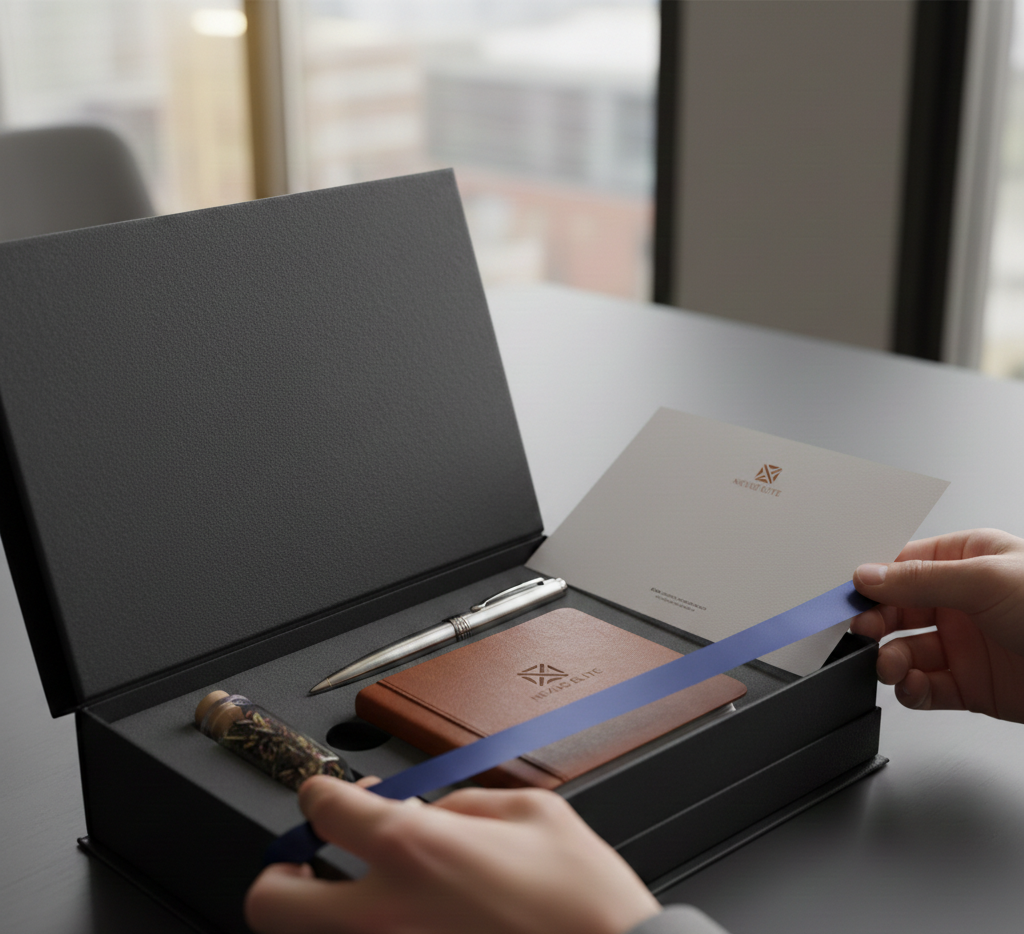

Customer Loyalty Strategies: Build Loyalty Through Gifting & Brand Experience

Points programs are easy to launch and copy. That’s why so many loyalty programs feel “fine” on paper, yet stall out in the real world. Customers redeem, but they don’t remember. They earn, but they don’t feel anything. And without emotion, you don’t get the outcomes you actually want: retention, referrals, and repeat purchases.

The better play is to treat loyalty as a customer experience strategy, not a math problem. Pair personalized gifts with brand moments that feel intentional, human, and consistent, and you create loyalty that doesn’t depend on constant discounts or gimmicks.

If you want to operationalize gifting at scale (without chaos), request sandbox access and see how an always-on store + fulfillment backbone makes it simple.

Why Most Customer Loyalty Strategies Plateau

Most customer loyalty strategies plateau for the same reason: they confuse activity with attachment.

Points programs reward transactions, not relationships. They can increase repeated purchases for a while, but once customers get used to the incentive, the program becomes background noise. You’ll see it in your customer satisfaction metrics: redemption goes up, but NPS/CSAT doesn’t move much. Renewal rate stays flat. Referral rate doesn’t spike. Average order value (AOV) might lift briefly, then regress.

What’s missing is emotional connection; the part of loyalty that shows up when there’s no coupon, limited-time bonus, or reminder email. Real loyalty is the customer choosing you because the experience felt personal, easy, and consistent. It’s long-term relationships, not transactional behavior.

If your current program is mostly “earn and burn,” you don’t need more points. You need better moments.

Gifting as a Loyalty Lever (Without Feeling Transactional)

Gifting works because it’s built on human psychology, not program mechanics.

First: reciprocity. People feel an internal pull to respond to generosity with generosity, sometimes immediately, often over time. That doesn’t mean customers “owe” you; it means a well-timed gesture can strengthen the customer relationships you’re already building. 

Second: the peak-end rule. Customers don’t remember every touchpoint equally. They judge an experience largely by its most intense moment (the “peak”) and how it ends. That’s why the right gift, at the right moment, delivered the right way, can outweigh a dozen “standard” interactions.

So gifting isn’t a giveaway. It’s a way to design peaks and endings across the customer lifecycle, especially for existing customers, where retention is the real profit lever.

Personalized Gifts vs. Generic

Generic gifts are easy, but they’re also forgettable. Personalized gifts win when you want the customer to feel seen, not targeted. The rule isn’t “personalize everything.” It’s “personalized when it changes the story.”

Use personalization when:

  • The relationship is high value (strategic accounts, renewals, enterprise expansions).
  • The moment is high meaning (milestones, launch success, major adoption wins).
  • The customer has earned it through behavior (advocacy, referrals, participation in a case study).

In B2B, personalization doesn’t have to be invasive or overly “data-driven.” It can be simple: a note that references a real outcome, a curated kit aligned to their role, or a choice-based redemption experience that respects preferences.

Examples of a smart client gifting strategy (without going overboard):

  • A “launch day” kit for the internal champion who carried the rollout.
  • A team pack for cross-functional partners after a major milestone.
  • A renewal “thank you” that feels like a relationship marker, not a retention bribe.

Personalization should feel like taste and intention, not surveillance.

Design the Customer Experience Strategy Around Moments

If you want loyalty, stop thinking in campaigns and start thinking in moments. Map the lifecycle and ask: where can we create a peak, reduce friction, and end well? Strong brand moments tend to cluster around:

  • Onboarding (the first real experience after the sale)
  • Milestones (day 30/60/90, first success outcome, usage thresholds)
  • Renewals (the decision point you can’t afford to treat as routine)
  • Expansion (when trust converts into a deeper commitment)
  • Advocacy (referrals, reviews, speaking, case studies)

This is where loyalty program alternatives beat traditional loyalty programs. You don’t need customers to check a dashboard to “feel loyal.” You need them to remember how the brand made them feel at the moments that matter.

A practical approach:

  1. Identify 4–6 moments that shape retention (not the full customer journey map).
  2. Decide what “great” looks like for each moment.
  3. Build a lightweight gifting + experience layer that reinforces that standard.

Unboxing Experience & Packaging

The unboxing experience is not a consumer-only thing. In B2B, packaging is still part of the message, especially when the recipient is your internal champion or executive sponsor.

If you want brand experience examples that actually move the needle, focus on the details customers can touch:

  • Packaging that feels on-brand (not generic, not cheap)
  • A short note that connects the gift to impact
  • Clean redemption/store UX for choice-based gifts
  • Consistent presentation across regions and teams

This is where brand consistency matters. A premium brand that ships sloppy boxes creates distrust. A “human” brand that sends a robotic note creates distance. The physical experience is part of your marketing strategy because it shapes memory.

Gift Cards: When They Help, When They Hurt

Gift cards can be a strong tool in your loyalty stack. They’re also an easy way to accidentally make your program feel transactional.

When gift cards help:
They scale. They work globally. They reduce sizing issues and preference mismatch. They’re especially useful when you need to reward a broad customer base quickly, or when you’re gifting across multiple countries.

When gift cards hurt:
They can feel impersonal, like cash with a logo. If there’s no story, no context, and no brand experience around it, it reads as “we needed to do something.”

The solution isn’t “never use gift cards.” It’s to make them feel like part of an experience:

  • Pair them with a short, specific note (“Here’s what you made possible…”).
  • Use them for choice, not as a substitute for thinking.
  • Put them inside a simple branded moment (packaging, messaging, timing).

Also: keep compliance in mind. Customer gifting can intersect with anti-bribery rules (especially for regulated industries, public sector, or global accounts). The standard is typically “reasonable and proportionate,” with clear internal guardrails. And if you’re using customer data to trigger gifts, treat privacy seriously (GDPR/CCPA implications). Don’t over-collect or over-personalize; use customer data with restraint and respect.

Timing, Triggers & Budget Rules

The fastest way to waste gifting budget is to treat it like a random surprise calendar. The fastest way to make gifting feel transactional is to tie it only to revenue. You need both event-based and behavior-based triggers, plus simple governance.

Event-based triggers (relationship markers):

  • Onboarding completion
  • One-year anniversary
  • Renewal signed
  • Expansion kickoff
  • Executive business review (EBR) follow-up

Behavior-based triggers (momentum markers):

  • Advocacy actions (review, referral, speaking)
  • Product adoption milestones
  • Support partnership (high collaboration moments)
  • “Saved the day” moments during a critical issue

Then set budget tiers that match impact. Not every moment needs the same spend; what matters is consistency, quality, and intent. Use a model like:

  • Tier 1: broad, light-touch (high volume)
  • Tier 2: targeted moments (mid volume)
  • Tier 3: strategic accounts/champions (low volume, high intent)

This is how you protect the budget while still building loyalty.

Ops That Make or Break Loyalty Plays

You can have the best strategy in the world, but lose all the goodwill with bad execution. Operational cracks show up as:

  • Missed shipping windows (the gift arrives after the moment)
  • Wrong items, damaged boxes, inconsistent packaging
  • No visibility into inventory or spend
  • International shipping headaches
  • Teams going rogue (random vendors, inconsistent brand)

This is why fulfillment isn’t “backend.” It’s part of the experience.

If you’re serious about retaining customers through gifting, you need:

  • Clear fulfillment SLAs
  • QA checks that protect brand consistency
  • Predictable shipping windows (especially around renewals and milestones)
  • International capabilities (duties, restrictions, timelines)
  • A system that makes it easy for teams to execute without creating chaos

Company stores and curated catalogs can simplify execution, especially when multiple teams (CS, sales, marketing) are interacting with the same customers. The goal is fewer “one-off” emergencies and more repeatable, reliable loyalty moments.

Customer Retention Strategies: Measurement & ROI

If you can’t measure it, gifting becomes “nice.” That’s not good enough to drive business outcomes. Tie gifting to desired endpoints with a simple test-and-learn model.

Start with metrics that map to loyalty:

  • Renewal rate
  • Repeat purchase rate
  • Referral rate
  • Average order value (AOV)
  • NPS/CSAT
  • Time-to-renewal (for subscription models)

Then run a basic cohort test. Start by picking one moment (example: renewal outreach at 90 days pre-renewal) and splitting customers into two cohorts: those with and without gifts. Keeping everything else consistent, track renewal rate and time-to-close. You’ll learn quickly what works and for which segments.

Also watch operational metrics:

  • Fulfillment SLAs met
  • Delivery success rate
  • Redemption rate (if applicable)
  • Internal time saved (less manual coordination)

That’s how you prove ROI with effective strategies, not anecdotes.

90-Day Plan

Week 1–2: Audit + moments map. Look at your customer journey and identify 4–6 moments that influence retention. Pull baseline metrics (renewal rate, referral rate, NPS/CSAT). Identify where brand consistency breaks today.

Week 3–6: Pilot one moment + one kit. Choose a single moment (renewal, milestone, or advocacy). Build one kit or one redemption flow. Define triggers, tiering, and fulfillment SLAs. Keep it tight.

Week 7–12: Measure → automate. Run the cohort test. Collect qualitative feedback from customers and internal teams. If results are there, automate the trigger and expand to the next moment.

This is how you turn surprise and delight marketing into a real operating system, not a series of one-offs.

Conclusion

If your loyalty program is stuck, don’t automatically add more points, more tiers, or more complexity. Most loyalty program alternatives fail for the same reason points programs do: they ignore how customers actually build trust.

Gifting works when it’s designed as a brand experience, rooted in timing, emotion, and operational excellence. Create peak moments. End well. Protect consistency. Measure what matters. That’s how you turn customer appreciation into long-term relationships that drive retention, referrals, and repeat purchases.

Want to see what this looks like in practice, especially the operational side (stores, kitting, fulfillment, budget control, reporting)? Request sandbox access.

How to Build a Brand Ecosystem That Supports Culture, Loyalty, and Growth

A brand isn’t just what customers see. It’s how employees feel, how clients stay loyal, and how consistently your organization shows up across every channel, touchpoint, and interaction. That interconnected system is your brand ecosystem, and when it’s intentionally built, it strengthens culture, drives customer loyalty, and propels long-term growth.

Most organizations treat brand, culture, and customer experience as separate initiatives. In reality, they function as one integrated network. When your internal culture aligns with your external promise, and both are reinforced by consistent delivery, you create a powerful engine that drives trust, advocacy, and expansion.

Below, we break down how to build a brand ecosystem that works from the inside out, weaving together employee experience, customer loyalty strategy, and brand strategy and growth into one cohesive framework.

What Is a Brand Ecosystem and Why Does It Matter?

A brand ecosystem is the interconnected system of people, processes, platforms, touchpoints, and experiences that shape how employees and customers interact with your brand. It’s far more than marketing. It’s what happens when brand and culture reinforce each other; when internal behaviors match external promises, and when every experience feels intentionally connected.

A strong ecosystem reflects:

  • Cohesive branding: customers and employees experience the brand the same way regardless of channel.
  • Branded customer experience: touchpoints feel intentional, emotional, and aligned with your identity.
  • Interconnected roles: employees understand how their actions influence customer outcomes, and customers feel the clarity of a brand that shows up with purpose.

When organizations build ecosystems instead of isolated programs, consistency becomes a competitive advantage. People trust what they can predict, and a cohesive system is what makes consistent branding possible.

Culture: Strengthening the Employee Experience

Your ecosystem begins inside your company. Culture is the foundation of everything your brand projects outward, which is why the most successful organizations focus first on the employee experience.

Why Brand Culture Matters

Brand culture is the lived expression of your values; how people communicate, collaborate, solve problems, and show up for one another. When culture is strong, employees feel connected to the mission and empowered to contribute. When it’s inconsistent, even the strongest marketing can’t compensate.

Employees become culture carriers when they understand how their daily choices reinforce the brand. This is where a thoughtful employee engagement strategy becomes essential. Through intentional communication, recognition, and shared rituals, culture becomes visible, repeatable, and scalable.

Building Employee Engagement From the Inside Out

Perks don’t drive employee engagement; clarity, trust, and belonging do. Simple, intentional practices help reinforce that alignment:

  • Transparent communication around goals, decisions, and brand expectations
  • Leadership modeling of core values and behaviors
  • Employee engagement ideas that invite participation, not just compliance

Recognition also plays a critical role. When companies build structured programs that tie appreciation to brand values, employees feel seen in ways that strengthen both culture and brand cohesion. A culture that understands its role in the brand ecosystem naturally supports a stronger, more resilient customer experience.

Loyalty: Designing the Customer Experience That Lasts

Loyalty is the outcome of a branded customer experience that feels intentional, consistent, and emotionally resonant. Customers stay loyal when brand behaviors match the expectations it sets. That alignment doesn’t happen by accident. It’s the product of a deliberate customer loyalty strategy built around clarity, consistency, and connection.

Many organizations try to improve loyalty through perks or discounts, but those are temporary motivators. What creates genuine, lasting loyalty is the feeling that a brand understands its customers and shows up the same way every time. This is where the difference between brand and customer experience becomes essential: brand is the promise you make; customer experience is how well you keep it. When those two pieces are tightly aligned, trust grows quickly.

That alignment comes to life through branded customer experiences; the small, meaningful moments that reflect what your organization stands for. It could be how your team communicates, how you package a product, how you resolve an issue, or how you celebrate a milestone with a client. When these moments are thoughtfully designed, they reinforce identity and create a sense of reliability customers can feel.

A strong ecosystem also ensures cohesive branding across every touchpoint. Without cohesion, customers encounter mixed signals that erode confidence. With it, they experience a brand that feels steady, familiar, and worth returning to. This is why leading organizations invest in systems and processes that ensure consistency, such as centralized brand standards, curated gifting programs, and cross-channel quality controls that protect the brand even as it scales.

Ultimately, the most effective customer loyalty strategies aren’t transactional. They’re relational. They’re built on authenticity, emotional resonance, and the belief that loyalty begins inside the organization. When employees are aligned, empowered, and connected to the brand, they create customer experiences that deepen trust and drive repeat engagement. Loyalty becomes the natural result of a system working in harmony; culture, experience, and brand all reinforce each other to create relationships that last.

Growth: Building a Brand That Can Scale

Brand growth doesn’t happen because a company expands its budget, product line, or marketing. It happens when internal culture and customer loyalty strengthen each other and create momentum.

Consistency Is the Engine of Brand Growth

Scaling without losing identity requires systems that protect brand consistency as you expand into new markets or channels. Consistent branding helps customers understand what you stand for and what to expect. In a noisy market, consistency builds credibility.

That means brands must invest in:

  • Clear brand guidelines
  • Quality control across merchandise, messaging, and experiences
  • Centralized systems that ensure cohesive branding across teams

When every expression of your brand, from a recognition moment to customer packaging, feels aligned, growth becomes more than expansion. It becomes amplification.

Systems Without Losing Soul

Technology, automation, and fulfillment systems help deliver scale, but they can’t replace human-centered design. Growth requires repeatable processes that still feel personal. When companies preserve the emotional core of their brand while expanding operations, they achieve sustainable brand strategy and growth.

What Is Brand Engagement (and Why It Holds It All Together)?

Many organizations ask, what is brand engagement? Simply put: it’s the degree to which employees and customers interact with, believe in, and advocate for your brand.

Brand engagement is the glue of the ecosystem. It connects culture to loyalty and loyalty to growth.

A Strong Brand Engagement Strategy Includes:

  • Employee connection: employees internalize the brand and show it through their behavior
  • Customer resonance: customers identify with the brand and choose it repeatedly
  • Feedback loops: employees and customers shape the evolution of the brand together

Engagement creates a self-reinforcing cycle where engaged employees deliver a stronger branded customer experience, strengthening the brand, increasing loyalty, and ultimately reinforcing the culture that fuels engagement in the first place.

Real-World Brand Ecosystems in Action

Strong ecosystems aren’t theoretical. They’re built intentionally through culture, branding, and experience design.

Example 1: Companies That Align Internal and External Experience

Organizations with consistent internal rituals, like values-based recognition or branded onboarding, tend to deliver stronger customer experiences because employees feel connected and empowered. Their actions reflect the brand effortlessly.

Example 2: Brands That Use Gifting and Recognition to Reinforce Identity

Well-designed gifting programs offer more than swag; they provide moments that express identity. When merchandise is thoughtfully curated and consistently delivered, it strengthens brand pride on the inside and perception on the outside.

Example 3: Ecosystems That Operationalize Brand at Scale

Enterprises leveraging centralized fulfillment or on-demand brand stores ensure every touchpoint reflects who they are. This supports both a cohesive employee experience and a branded customer experience that stays true to the vision.

Across all examples, the pattern is clear: strong ecosystems connect brand, culture, and customer experience into one continuous story.

Start With the Inside, Grow From the Outside

A brand ecosystem only works when it grows in the right direction: from the inside out. Most organizations try to scale the external brand first with new campaigns, new markets, or new programs before ensuring employees are aligned around what the brand actually stands for. That’s why inconsistency shows up so quickly. You can’t build customer loyalty on a foundation your employees don’t understand or feel connected to.

Sustainable growth starts internally. Employees need clarity on the brand promise, shared language around values, and a strong sense of how their daily work shapes the overall experience. When teams trust the brand and embody it in their behavior, the customer experience naturally becomes more consistent. That internal alignment drives the confidence, ownership, and pride that make brand cohesion possible at scale.

From there, the brand can expand outward with intention. Customer-facing touchpoints like communications, gifting, packaging or service interactions become reinforcing signals of the identity already lived internally. The more consistent those signals are, the faster customers build trust and the more powerful your customer loyalty strategy becomes.

Finally, strong ecosystems evolve through continuous feedback. Employee insights reveal cultural strengths and gaps. Customer feedback clarifies expectations and emotional drivers. Together, those inputs refine the experience, strengthen engagement, and support long-term brand growth.

When you start inside and grow outward, you create a brand ecosystem that feels authentic, unified, and resilient, where culture fuels loyalty, loyalty fuels growth, and growth strengthens the ecosystem again. That’s how brands scale without losing who they are.

Ready to build a brand ecosystem that supports culture, loyalty, and growth from the inside out? Let’s talk.